
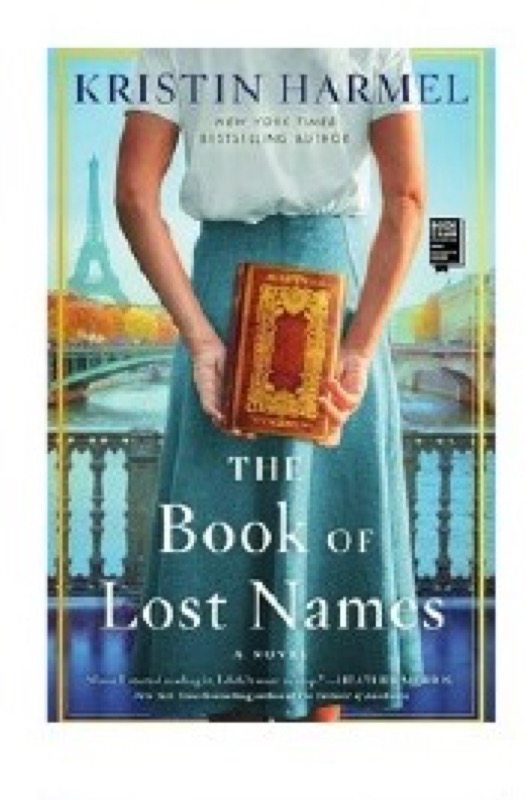
The Book of Lost Names
A Novel
Hook & thesis
In The Book of Lost Names, Kristin Harmel crafts a gripping narrative that intertwines the art of forgery with the harrowing backdrop of World War II, exploring themes of identity, love, and the resilience of the human spirit. Verdict: Harmel’s novel succeeds as a poignant reminder of how personal histories can be rewritten in dark times, though its pacing occasionally falters in execution.
The contextual pivot
As a dark-thriller, this novel occupies a niche within the historical fiction genre, particularly emphasizing the moral complexities of war. Harmel’s work can be likened to that of authors such as Anthony Doerr and Kate Morton, who also delve into the nuances of human endurance amidst chaos. While Doerr’s prose may evoke a lyrical quality, Harmel opts for a more straightforward approach, appealing to both genre fans and general readers alike. The invisible audience includes those captivated by tales of resilience and the moral dilemmas faced during wartime, bridging the gap between niche historical tropes and broader themes of humanity.
Deep-dive critique
Harmel’s structure oscillates between past and present, a technique that highlights the protagonist’s internal struggles while creating suspense. The pacing, however, can feel uneven; certain sections linger on emotional introspection while others rush through critical plot points, potentially compromising the narrative tension. The choice of a first-person point of view allows for an intimate connection with the protagonist, yet at times, it restricts the exploration of secondary characters whose arcs would have enriched the story. The dialogue feels authentic, capturing the urgency of wartime conversations, although some exchanges risk becoming overly sentimental.
Thematically, the novel excels in its exploration of identity and the moral implications of forgery — a powerful metaphor for survival in a world that seeks to erase one’s existence. However, the ending, while hopeful, may come across as overly tidy given the grim realities presented throughout the narrative. This resolution risks negating the complexity of the protagonist’s journey and the weight of her choices, leaving readers yearning for a more nuanced conclusion.
Discussion launchpad
The novel raises significant questions about the nature of identity and the ethics of survival during war, presenting polarizing topics for discussion.
Questions for the room:
- How does the portrayal of forgery serve as a symbol of survival in oppressive regimes?
- In what ways does the pacing affect your emotional engagement with the characters?
- Does the hopeful ending undermine the darker themes explored throughout the book?
- How does Harmel’s approach to historical elements compare with other authors in the genre?
- What does this novel suggest about the role of personal history in shaping collective memory?
#LiteraryAnalysis #darkthriller #romanticsuspense #wwii #forgery