
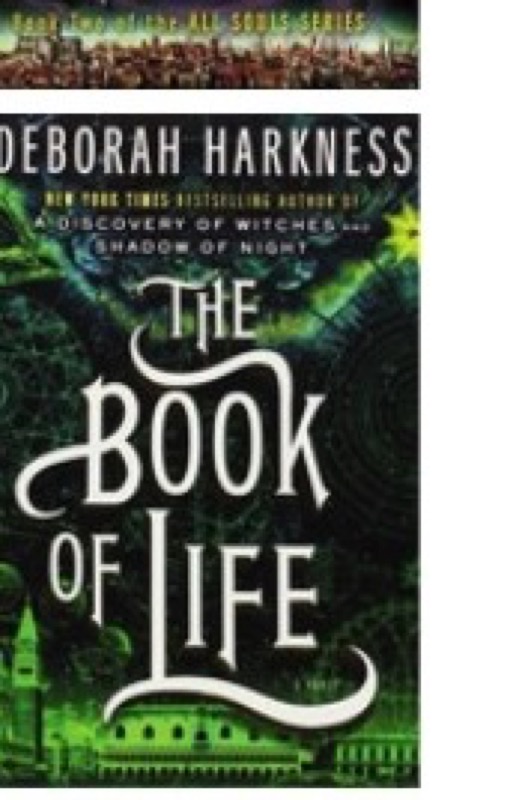
The Book of Life
Hook & thesis
In “The Book of Life,” Deborah Harkness deftly interweaves the intricate threads of love, ambition, and the supernatural into a tapestry that reveals the fragility of human connections amidst the chaos of power and dark magic. Verdict: Harkness’s narrative pulsates with an intoxicating blend of desire and danger, capturing the essence of gothic romance while exploring the human condition’s deepest fears and yearnings.
The contextual pivot
Positioned within the vampire-paranormal genre, this work stands as a compelling entry in Harkness’s All Souls Trilogy, adding layers to her exploration of magic and identity in a world that teeters on the brink of historical authenticity and fantastical allure. Harkness’s audience, while rooted in niche paranormal enthusiasts, deftly bridges broader themes of love and loss that invite general readers to ponder the complexities of relationships under duress. Authors like Anne Rice and Stephenie Meyer have crafted similar realms, yet Harkness distinguishes herself with a more academic lens, emphasizing the historical and philosophical implications of her characters’ supernatural existences.
Deep-dive critique
Harkness’s structural choices enhance the novel’s thematic depth; the alternating POVs allow readers to perceive the multifaceted nature of desire and ambition, creating an intricate dance between characters that is both seductive and treacherous. The pacing, primarily steady with moments of urgency, mirrors the ebb and flow of tension inherent in the characters’ relationships. Harkness excels in her world-building, infusing the narrative with rich details of the historical and mystical, making the settings—an ancient library, a shadowy realm—come alive as characters navigate their intertwined fates.
However, certain mechanical flaws surface in her dialogue, which sometimes veers into didacticism, detracting from the organic nature of character interaction. The thematic exploration of blood, both literally and metaphorically, serves to heighten the underlying horror; it is in the blood that lineage, power, and love are examined. Yet, one could argue that the ending, while satisfying, risks leaving some character arcs feeling unresolved, as if Harkness hesitates to fully embrace the consequences of her characters’ choices.
Discussion launchpad
The novel invites fervent debate, particularly around the balance of historical accuracy and fantastical elements, as well as the portrayal of female power dynamics within its romantic entanglements.
Questions for the room:
- How does Harkness navigate the intersection of historical authenticity and supernatural fiction?
- Do the romantic relationships feel fully realized, or are they overshadowed by the plot’s ambitions?
- In what ways does the novel challenge or reinforce traditional gender roles within its gothic framework?
- Is the resolution of the central conflict earned, or does it leave the reader wanting?
- How do themes of blood and lineage influence your perception of the characters’ motivations?
#TheOrchidRoom #vampire #paranormal #darkromance #literaryanalysis