
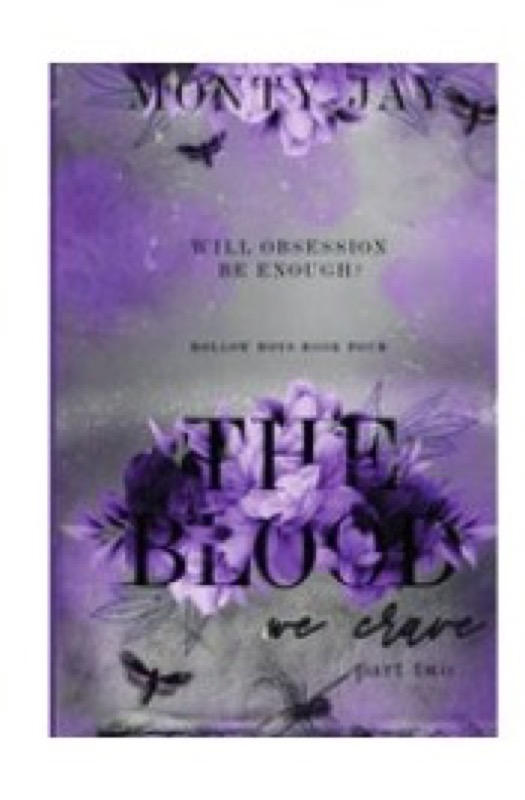
The Blood We Crave
Hollow Boys — Book Four · Part Two
Hook & thesis
In Monty Jay’s The Blood We Crave, the author’s primary objective is to explore the harrowing depths of obsession, exposing the fine line between love and madness. Verdict: This book serves as a poignant reminder of how desire can morph into a dark, consuming force that engulfs both the pursued and the pursuer.
The contextual pivot
Nestled within the stalker-obsession subgenre, Jay’s work is a visceral exploration of psychological intensity that not only caters to aficionados of dark romance but also challenges general readers with its unflinching realism. The Hollow Boys series has garnered a dedicated following, yet this installment escalates the stakes, blending gothic horror elements with raw emotional depth that transcends typical genre boundaries. Readers drawn to the narrative’s intensity may find themselves uncomfortably captivated, as the book navigates a landscape riddled with themes of emotional turbulence and violence, bridging niche tropes with broader psychological insights.
Deep-dive critique
From a structural perspective, the pacing oscillates between fevered highs and poignant lows, mirroring the characters’ tumultuous emotional states. Jay employs a tight third-person point of view that immerses the reader into the inner workings of the protagonist’s psyche. This choice reinforces the sense of claustrophobia that pervades the narrative, amplifying the tension inherent in the characters’ obsessive dynamics.
The prose itself is both lyrical and jagged, oscillating between beautifully crafted imagery and stark, unsettling descriptions that evoke visceral reactions. For example, the recurring motifs of blood and death imagery create an atmosphere saturated with dread, yet also serve as metaphors for the characters’ emotional states. Jay’s ability to weave together such contrasting elements highlights the complexity of obsession as both a source of power and vulnerability.
However, the book is not without its flaws. At times, the dialogue can feel overwrought, a potential misstep that risks pulling the reader out of the immersive experience. Furthermore, while the ending provides a resolution, it may feel abrupt to some, lacking the careful buildup that characterizes the earlier chapters. Still, the thematic success of the book lies in its ability to leave readers questioning the nature of love and the dangers of unchecked desire.
Discussion launchpad
Jay’s exploration of obsession raises polarizing questions about morality, desire, and the boundaries of love. The intensity of the themes may polarize readers, with some drawn to the discomforting truths while others may recoil from the darker aspects of human connection.
Questions for the room:
- How do the themes of obsession in Jay’s work reflect or distort societal perceptions of romance?
- Does the portrayal of violence enhance or detract from the emotional impact of the narrative?
- In what ways does the gothic element contribute to or complicate the story’s message about desire?
- How does Jay’s writing style influence your experience of the characters’ emotional journeys?
- Can the ending’s abruptness be interpreted as a commentary on the chaotic nature of obsession?
#TheOrchidRoom #stalker #obsession #darkromance #gothic