
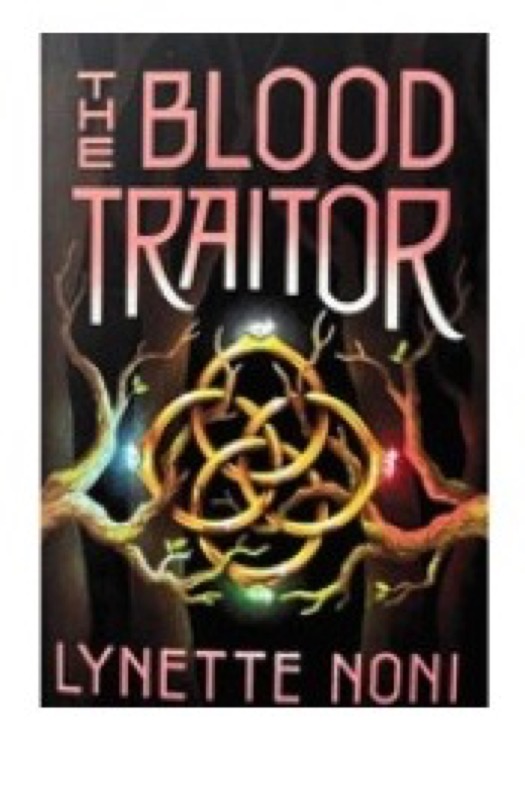
The Blood Traitor
The Prison Healer — Book Three
Hook & thesis
In The Blood Traitor, Lynette Noni deftly intertwines themes of betrayal and redemption within the visceral confines of captivity, ultimately exploring how love can flourish in the darkest of circumstances. Verdict: This sequel transforms the trope of captor and captive into a richly layered examination of the human heart’s resilience amidst despair.
The contextual pivot
As the third installment in The Prison Healer series, The Blood Traitor positions itself within the burgeoning genre of dark romance and romantic fantasy, echoing the complexities found in works by authors like Sarah J. Maas and Jennifer L. Armentrout. Noni’s work, with its palpable tension and richly constructed world, invites both dedicated fans of the genre and newcomers drawn by its emotional stakes. The invisible audience is one that craves narratives where love exists in the shadow of violence and magic—a niche that Noni bridges with accessible prose that transcends genre boundaries.
Deep-dive critique
Noni’s craft excels in creating an immersive atmosphere where the pacing alternates between breathless urgency and contemplative moments, maintaining a taut tension throughout. The duality of point-of-view serves to deepen the reader’s connection to both the protagonist and her captor, creating a thrilling push-pull dynamic that keeps the stakes high. This structure allows the exploration of themes such as agency and vulnerability to unfold organically, even as the characters navigate the treacherous waters of their relationship.
The prose is evocative, filled with imagery that heightens the emotional undercurrents, such as the descriptions of the eerie, lush forest that mirrors the characters’ internal struggles. Dialogue crackles with tension, revealing both vulnerability and deceit, which enhances the reader’s understanding of motivations. However, certain plot points could feel rushed, particularly in the latter half of the narrative, where the resolution may leave some readers craving a more gradual denouement. Despite this, the ending resonates as earned, providing a cathartic release that underscores the transformative power of love amidst chaos.
Discussion launchpad
While The Blood Traitor successfully navigates the treacherous terrain of dark romance, it also raises questions about the moral implications of love in captivity and the nature of redemption. The tension between desire and power dynamics offers fertile ground for debate.
Questions for the room:
- Does the romanticization of captor-captive dynamics reinforce harmful tropes, or does it provide a safe space for exploring deeper emotional truths?
- How effectively does Noni balance the elements of romance and fantasy with the darker themes of violence and betrayal?
- In what ways does the setting amplify the characters’ emotional journeys, and does it risk overshadowing the plot?
- Is the resolution satisfying, or does it gloss over the complexities established throughout the narrative?
- How does this sequel compare to its predecessors in terms of thematic depth and character development?
#TheOrchidRoom #captive #darkromance #prisonhealer #romantasy