
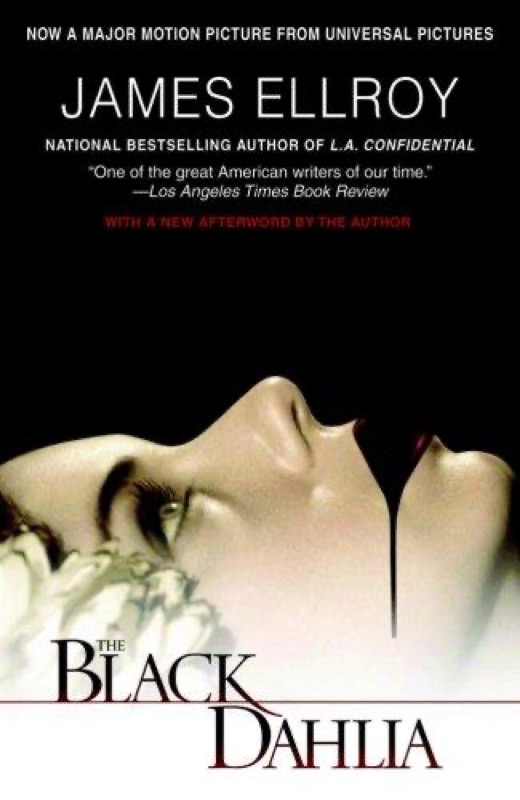
The Black Dahlia (L.A. Quartet, #1)
L.A. Quartet, #1
Hook & thesis
James Ellroy’s The Black Dahlia masterfully intertwines the grim realities of 1940s Los Angeles with the psychological unraveling of its characters, particularly two detectives consumed by their obsessions. Verdict: A haunting exploration of the darker facets of ambition and desire, this novel transcends the conventions of the crime genre to offer a disturbing yet compelling examination of the human psyche.
The contextual pivot
Positioned within the dark-thriller genre, The Black Dahlia serves as both a murder mystery and a character study steeped in historical context, echoing the works of authors like Dashiell Hammett and Raymond Chandler. Ellroy’s prose exudes a gritty realism that aligns with the noir tradition, yet it challenges readers with its psychological depth and moral ambiguity. The invisible audience appears to be both aficionados of hardboiled detective fiction and those drawn to the intricacies of human obsession, as Ellroy’s narrative bridges niche tropes to engage a broader readership intrigued by the complexities of crime and character.
Deep-dive critique
Ellroy’s structure emphasizes an almost feverish pacing, with a fragmented timeline that mirrors the chaotic minds of his protagonists. The first-person POV intricately captures the torment of Bucky Bleichert, whose obsession with the murder of Elizabeth Short—the titular Black Dahlia—drives the narrative. This narrative choice not only immerses the reader in Bleichert’s psychological struggles but also enhances the tension, as glimpses into his thoughts reveal the moral decay festering beneath the surface of the glamorous city.
Craft-wise, Ellroy excels in his vivid world-building, painting post-war Los Angeles as a character in its own right—gritty, alluring, and ultimately unforgiving. His dialogue often crackles with authenticity, though at times it can veer into melodrama, potentially alienating some readers. The thematic exploration of desire and ambition resonates, yet the portrayal of women, particularly through the lens of violence, raises questions about gender representation in the genre.
The ending, rife with ambiguity, is both earned and unsettling, leaving readers to grapple with the unresolved tensions that define not just the narrative but the very essence of human experience in a flawed society.
Discussion launchpad
Ellroy’s work is polarizing, as it raises significant questions about morality, obsession, and the portrayal of violence, especially against women. While some may appreciate the raw, unflinching look at human darkness, others may find fault with its treatment of sensitive subjects.
Questions for the room:
- How does the portrayal of gender dynamics in The Black Dahlia affect your reading experience?
- Do you believe the ambiguity of the ending serves the story, or does it detract from its resolution?
- In what ways does Ellroy’s use of historical context enhance or hinder the narrative?
- How does the psychological depth of the characters impact your understanding of the crime they investigate?
- Can the novel be appreciated solely as a crime thriller, or is a deeper thematic reading necessary?
#LiteraryAnalysis #darkthriller #crime #noir #TheOrchidRoom