
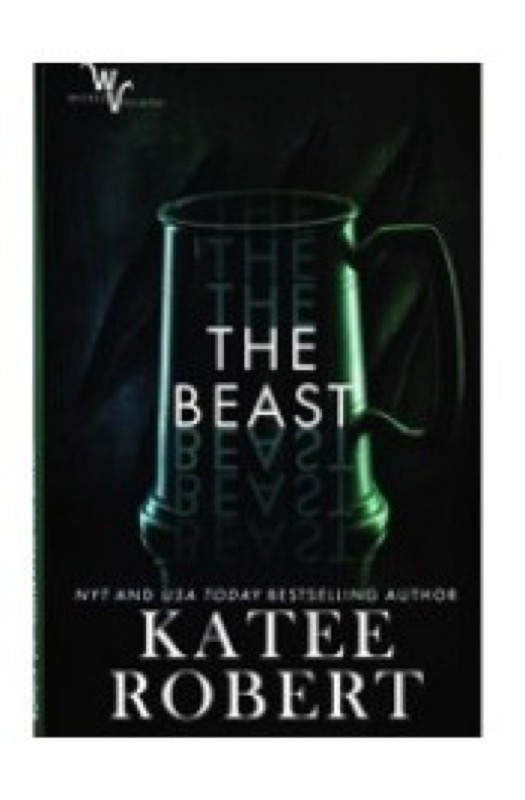
The Beast
Wicked Villains
Hook & thesis
Katee Robert’s The Beast plunges readers into a world where power dynamics twist into a flirtation of danger and desire, exploring the treacherous dance between villainy and vulnerability. Verdict: This book masterfully subverts traditional romance tropes, inviting readers to confront the intoxicating allure of the ‘bad boy’ while unearthing the complexities of consent and control.
The contextual pivot
As part of the Wicked Villains series, The Beast positions itself within the enemies-to-lovers subgenre, specifically reinvigorating the beloved Disney villain archetype through a darker lens. In line with contemporary dark romance, Robert’s work mirrors the thematic explorations of authors like Sarah J. Maas and Jennifer L. Armentrout, who also navigate the murky waters of desire amid moral ambiguity. This narrative not only caters to a niche audience drawn to villain romance but also holds potential appeal for general readers, particularly those looking for a story that interrogates the lines between love, power, and toxicity.
Deep-dive critique
The structure of The Beast unfolds through a dual perspective, alternating between the protagonists, which effectively heightens the tension as the reader grapples with contrasting motivations—one driven by desire, the other by self-preservation. This choice amplifies the psychological complexity of the characters, making their journey from animosity to attraction feel both inevitable and perilous. Robert’s prose is visceral, often juxtaposing lush, seductive imagery with stark, unsettling truths about the characters’ pasts, reflecting the duality of their relationship.
Characterization shines particularly through the protagonist, who embodies resilience despite the oppressive power imbalance, allowing readers to empathize with her plight even as she navigates a relationship fraught with danger. However, the dialogue occasionally slips into cliché, undermining the rich tension established in the narrative.
The thematic exploration of toxic masculinity is both timely and relevant, as Robert deftly critiques the romanticization of harmful behaviors while simultaneously embracing the complexity of human desires. The ending, while satisfying in its resolution of the central conflict, raises questions about the implications of the characters’ choices, inviting readers to ponder the long-term effects of such an entangled bond.
Discussion launchpad
The interplay of power and passion in The Beast ignites a spectrum of interpretations, particularly regarding the portrayal of consent and moral ambiguity in romantic relationships. This could lead to a heated discussion on the implications of romanticizing toxic relationships within the genre.
Questions for the room:
- How does Robert’s portrayal of toxic masculinity challenge or uphold traditional romance narratives?
- In what ways does the dual perspective enhance or detract from the story’s emotional stakes?
- Can we separate the allure of the villain from the moral complexities of their actions? What does this say about our cultural fascination with ‘bad boys’?
- Does the ending adequately address the consequences of the power dynamics at play, or does it gloss over potential repercussions?
- How does The Beast compare to other retellings in its approach to character complexity and thematic depth?
#TheOrchidRoom #enemiestolovers #darkromance #wickedvillains #literaryanalysis