
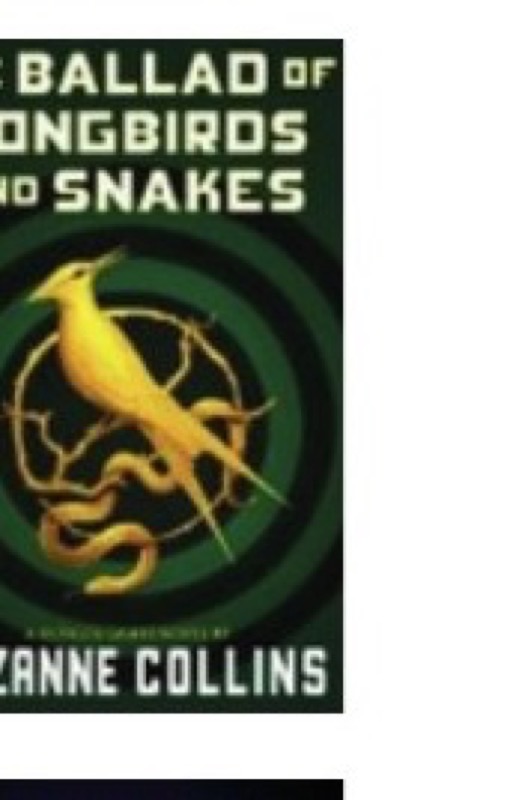
The Ballad of Songbirds and Snakes
Hook & thesis
In The Ballad of Songbirds and Snakes, Suzanne Collins explores the fragile nature of morality amidst systemic brutality, framing the early life of Coriolanus Snow against the harsh backdrop of a dystopian society. Verdict: This prequel adeptly unravels the complexities of ambition and moral decay, though it occasionally stumbles in pacing and character depth.
The contextual pivot
Sitting within the dark-thriller genre, Collins’ novel is an exploration of power and its corrupting influence, particularly within the context of the young adult dystopian narrative she previously established in The Hunger Games trilogy. The work deviates from the more straightforward hero-villain dichotomy of its predecessors, instead immersing the reader in the psychological landscape of a character who is both a product and a manipulator of his society’s brutal norms. The invisible audience here bridges young adult readers familiar with Collins’ earlier works and a broader adult readership interested in the ethical questions of governance and survival.
Deep-dive critique
Collins employs a dual narrative structure, alternating between Coriolanus’ internal thoughts and the external pressures he faces, a choice that immerses readers in his moral quandaries. However, the pacing falters in the middle sections, where the narrative drags during drawn-out reflections that hinder momentum. The third-person limited POV allows for a nuanced exploration of Coriolanus’ motivations, but it sometimes renders other characters, particularly Lucy Gray, as mere foils rather than fully fleshed individuals.
The prose is accessible yet laced with moments of lyrical beauty, particularly in the descriptions of the Hunger Games’ early iterations. Dialogue serves to distinguish character voices effectively, though some exchanges feel stilted, undermining the emotional stakes of pivotal scenes. Themes of power, choice, and manipulation resonate throughout, culminating in an ending that hints at Coriolanus’ future without fully satisfying the need for closure or redemption, leaving readers questioning the trajectory of his transformation.
Discussion launchpad
Collins’ narrative invites readers to grapple with the moral implications of ambition and power, polarizing opinions on whether Coriolanus can be viewed as a tragic figure or merely a villain in the making.
Questions for the room:
- Does Coriolanus’ character arc evoke sympathy, or is he irredeemably flawed?
- How effectively does Collins convey the moral ambiguity of her characters in a genre that often relies on clear-cut heroes and villains?
- In what ways does the pacing impact the overall tension of the story?
- What role does the setting play in shaping the characters’ decisions and moral dilemmas?
- How does this prequel redefine or reinforce the themes established in The Hunger Games trilogy?
#LiteraryAnalysis #darkthriller #romanticsuspense #theballad #darkheartlabs