
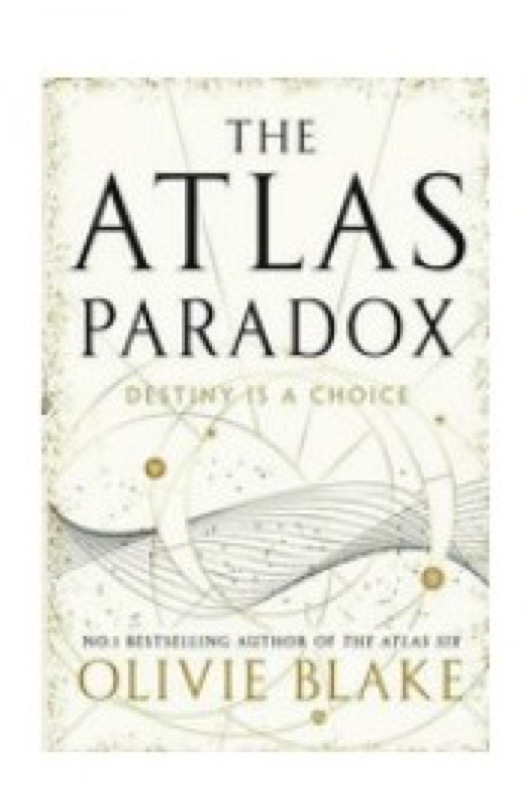
The Atlas Paradox
Destiny is a choice
Hook & thesis
Olivie Blake’s The Atlas Paradox spins a complex web of manipulation, desire, and destiny, delving into the human psyche where choices weave the fabric of fate. Verdict: This book distills the essence of dark academia into a gripping exploration of the heart’s murky choices.
The contextual pivot
Nestled firmly within the fantasy-romance genre, Blake’s work joins the ranks of authors like V.E. Schwab and Sarah J. Maas, intertwining lush prose with psychological depth. The narrative dances on the precipice of dark academia, appealing to both niche audiences familiar with the genre’s tropes and general readers drawn to the allure of intellectual entanglements and romantic intrigue. The invisible audience craves an exploration of fate’s intricacies, making the book resonate across different layers of readership.
Deep-dive critique
Blake’s structure employs a multi-POV narrative that excels in layering perspectives, each character embodying a unique facet of choice and consequence. The pacing ebbs and flows, mirroring the tension between predestination and free will. For instance, the dialogue is sharp, laden with subtext that heightens the sense of manipulation—characters wield words like weapons, revealing their desires and fears without ever stating them outright. This clever use of dialogue creates a palpable tension, anchoring the reader in the emotional stakes at play.
Thematically, the book grapples with the dichotomy of control versus chaos, expertly intertwining dark magic as a metaphor for the characters’ struggles with their inner demons. However, at times, the intricate world-building can feel overwhelming, potentially alienating readers who seek clarity amidst the complexity. The ending, while provocative, raises questions about its resolution—are the characters’ fates genuinely earned, or do they succumb to the very manipulations they sought to escape?
Discussion launchpad
The Atlas Paradox invites a multitude of discussions, particularly around the nature of choice and consequence within relationships. It sparks debate on whether the characters are truly the architects of their fates or mere puppets of a darker design.
Questions for the room:
- How does the use of multiple perspectives enhance or detract from the central theme of choice?
- In what ways do the manipulative elements reflect broader societal issues regarding power dynamics in relationships?
- Does the ending fulfill the narrative’s thematic promises, or does it leave the reader feeling unanchored?
- How effectively does Blake balance the fantasy elements with the emotional depth of her characters?
- What role does dark magic play in shaping the characters’ identities and choices?
#TheOrchidRoom #fantasyromance #darkromance #darkacademia #atlasseries