
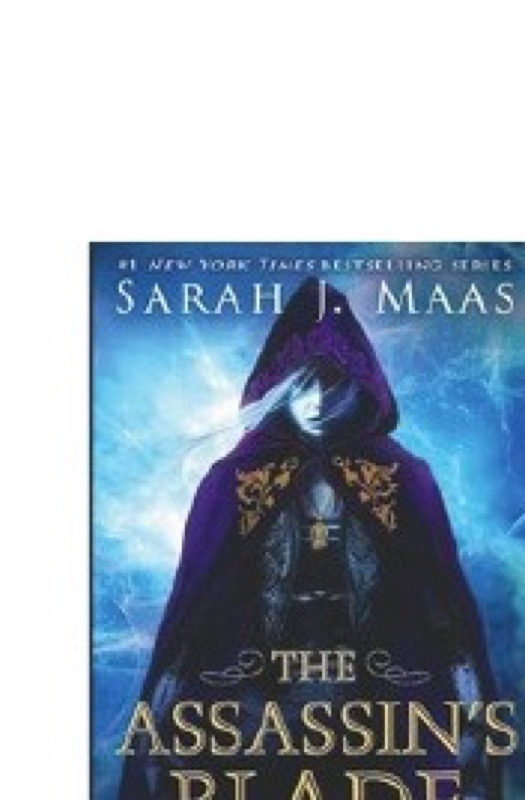
The Assassin's Blade
#1 New York Times Bestselling Series
Hook & thesis
In The Assassin’s Blade, Sarah J. Maas plunges into the dark corridors of ambition and betrayal, setting the stage for a richly woven tale of a young assassin’s path to power and the sacrifices it demands. Verdict: This collection of novellas pulsates with a fierce urgency that transcends its genre, unraveling humanity’s raw desire to conquer and connect — often through bloodied hands.
The contextual pivot
Occupying a significant place within the fantasy-romance genre, The Assassin’s Blade serves as a prequel to the Throne of Glass series, showcasing Maas’s knack for intertwining personal ambition with high-stakes adventure. Her work resembles that of authors like Leigh Bardugo and Sarah J. Maas’s own Throne of Glass, yet it carves its niche by exploring the duality of strength and vulnerability in its protagonist, Celaena Sardothien. The novella format allows for a more intimate exploration of character arcs, potentially appealing to both niche readers familiar with Maas’s universe and newcomers drawn to the allure of dark fantasy and complex female leads.
Deep-dive critique
Maas’s prose is both lush and accessible; her pacing brisk, yet deliberate, propelling the reader through a landscape teeming with tension. The non-linear structure — a hallmark of Maas’s storytelling — invites readers to engage deeply with Celaena’s evolution, paralleling her ruthless exterior with moments of vulnerability. Take, for instance, the way Maas layers dialogue with subtext, revealing not only the characters’ motivations but also their inner conflicts. The relationships in The Assassin’s Blade are fraught with tension and desire, ranging from fierce loyalty to poignant betrayal, and Maas handles these with a deft hand.
However, the thematic exploration of ambition can occasionally feel muddled under the weight of its plot. While the world-building is evocative, some characters veer into the realm of archetype rather than individual complexity, occasionally detracting from their emotional stakes. The ending, while dramatic, can divide readers; it is impactful yet not wholly satisfying, leaving lingering questions about the sacrifices made for ambition. Overall, the thematic threads of loyalty, betrayal, and the cost of power resonate, creating a rich tapestry that elevates the narrative beyond mere fantasy.
Discussion launchpad
The book’s exploration of ambition juxtaposed with human connection offers fertile ground for debate, particularly around the moral implications of Celaena’s choices and how they reflect societal expectations of female strength and vulnerability.
Questions for the room:
- How does The Assassin’s Blade redefine the archetype of the female assassin in fantasy literature?
- To what extent do you feel the relationships in the book drive or hinder character development?
- Is the portrayal of ambition in this narrative ultimately empowering or cautionary?
- How do the content warnings enhance or detract from the reading experience?
- In what ways do you think Maas’s novellas compare to her full-length novels in depth and development?
#TheOrchidRoom #fantasyromance #darkromance #assassin #literaryanalysis