
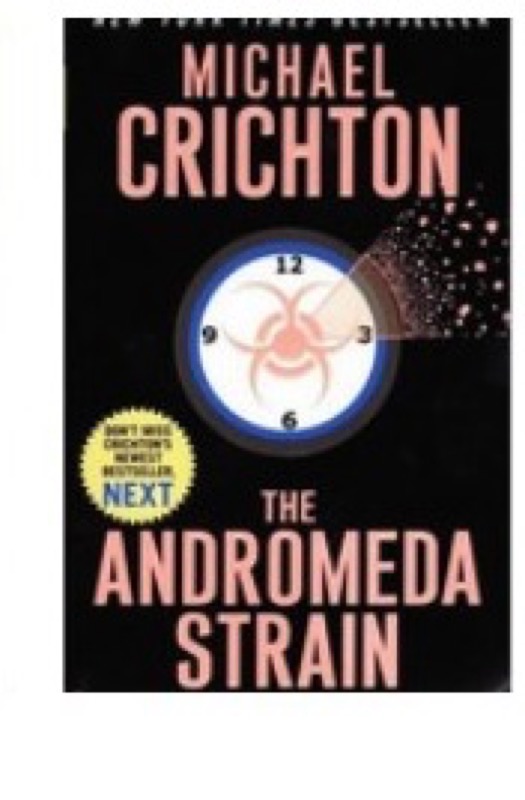
The Andromeda Strain
Hook & thesis
In The Andromeda Strain, Michael Crichton crafts a chilling narrative that explores the fragility of human life when faced with a relentless, extraterrestrial pathogen. Verdict: This novel is a sterile laboratory for the dark complexities of human fear and the coldness of scientific detachment — a thrilling reminder that humanity’s greatest enemy may well be its own hubris.
The contextual pivot
Positioned firmly in the realm of dark-thrillers, Crichton’s work stands alongside contemporaries like Stephen King and his penchant for exploring the unknown through a speculative lens. While Crichton’s narrative is steeped in medical and scientific realism, the invisible audience is one that thrives on suspense and existential dread. By bridging the niche of science fiction with general thriller tropes, he deftly pulls readers into a world where the intersection of technology and humanity can lead to catastrophic consequences, a theme that resonates with those familiar with the rising tide of bioethical concerns in contemporary literature.
Deep-dive critique
Crichton’s structure is methodical, employing a fragmented timeline that mirrors the chaotic race against time faced by the characters. This pacing serves to amplify tension, as the reader is thrust into a scenario where every second counts. The third-person omniscient POV allows for a clinical detachment, effectively placing the reader in the role of an observer rather than a participant, which is both a strength and a flaw. The sterile prose, while enhancing the scientific authenticity, at times sacrifices emotional depth, making it difficult to fully connect with the characters as they navigate a landscape of death and disease.
The thematic exploration of body horror is particularly potent, especially as Crichton delves into the physical manifestations of fear and disease. The chilling descriptions of the pathogen’s effects serve as a visceral reminder of mortality. However, the dialogue occasionally falters, feeling stilted and overly expository, which can detract from the immersive experience. The ending, while satisfying in its resolution of the immediate crisis, leaves lingering questions about the ethical implications of scientific pursuit, effectively earning its place in the pantheon of thought-provoking thrillers.
Discussion launchpad
Crichton’s exploration of human vulnerability in the face of scientific advancement presents several polarizing elements for discussion:
- The balance of scientific realism versus emotional engagement: does cold detachment serve the narrative, or detract from it?
- Are the ethical dilemmas presented in the novel still relevant today, especially with advancements in genetic engineering and biotechnology?
- What does the novel suggest about humanity’s ability to control forces beyond its understanding?
Questions for the room:
- How do you perceive the relationship between science and morality in this narrative?
- In what ways does the lack of character development impact your reading experience?
- Can a story be thrilling without emotional investment in its characters?
- What parallels can you draw between the pathogen in the novel and contemporary fears surrounding disease?
#LiteraryAnalysis #GothicEdge #darkthriller #sci-fi #medical #TheOrchidRoom