
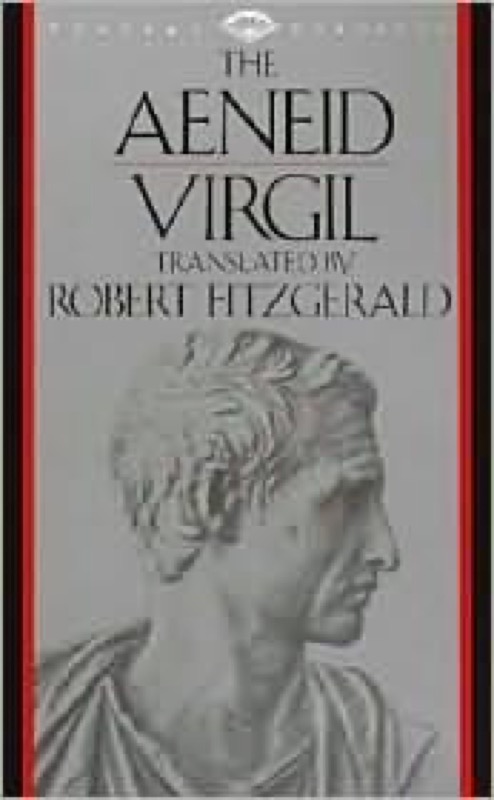
The Aeneid
Hook & thesis
Virgil’s The Aeneid serves as a rich tapestry of heroism and destiny, exploring the conflicts between individual desire and communal duty. Verdict: This epic not only chronicles Aeneas’s journey but also critiques the very nature of heroism and the price of leadership.
The contextual pivot
As a cornerstone of epic poetry, The Aeneid stands alongside Homer’s Iliad and Odyssey, yet it distinctly reflects Roman values and ideals, particularly the duty to the state and the concept of pietas. Virgil’s work was crafted during a time of political turmoil in Rome, making it a bridge between the mythological framework and contemporary societal issues. The invisible audience includes both Roman citizens seeking national pride and modern readers grappling with themes of fate and purpose.
Deep-dive critique
The structure of The Aeneid employs a linear progression interspersed with flashbacks, which enhances the themes of fate versus free will. Virgil’s use of the third-person omniscient perspective allows for a multifaceted exploration of Aeneas’s character, particularly his internal struggles when faced with personal desires versus societal expectations. The dialogue is poignant, revealing the emotional depth of characters such as Dido and Turnus, while the rich imagery and symbolism—like the recurring motif of fire—underscore destruction and rebirth. However, the pacing can falter in the latter half, where the focus drifts into lengthy battles that sometimes detract from Aeneas’s emotional journey, leading to an ending that feels somewhat rushed yet ultimately earned through Aeneas’s sacrifices.
Discussion launchpad
While The Aeneid is celebrated for its grandeur, its themes of duty and sacrifice can polarize readers, prompting discussions about the nature of heroism and the cost of progress. Questions for the room:
- How does Aeneas embody both traditional heroism and the flaws of leadership?
- In what ways do the characters of Dido and Turnus complicate our understanding of loyalty and betrayal?
- Is the ending of The Aeneid satisfying considering Aeneas’s sacrifices, or does it feel incomplete?
- How does Virgil’s portrayal of fate challenge the notion of free will in the narrative?
- What contemporary relevance do you find in Aeneas’s struggles with duty?
#LitClass #Grade11 #RequiredReading #epicpoetry #mythology