
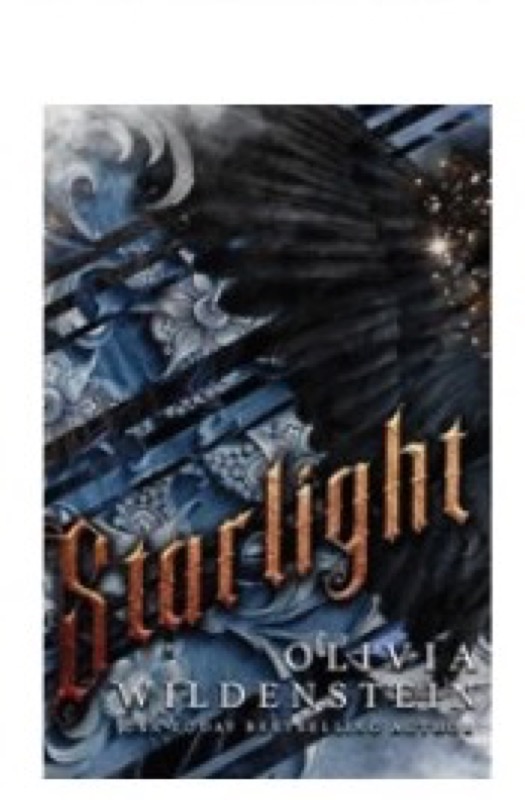
Starlight
Hook & thesis
“Starlight” by Olivia Wildenstein is a haunting exploration of love entwined with obsession, set against the backdrop of a darkly romantic gothic landscape. Verdict: This book masterfully blurs the lines between desire and dread, creating a narrative that lingers long after the last page is turned.
The contextual pivot
Grounded firmly in the gothic-horror-romance genre, “Starlight” navigates the turbulent waters of forbidden love and supernatural intrigue. Wildenstein’s work resonates with readers familiar with the atmospheric tension found in the likes of Anne Rice and Sarah Waters, while also appealing to those drawn to contemporary dark romance. The novel bridges niche tropes with broader themes of obsession and longing, making it accessible to both seasoned aficionados of the genre and new readers drawn to its darker elements.
Deep-dive critique
Wildenstein’s prose is rich with evocative imagery, deftly conjuring a world that is both ethereal and unsettling. The pacing is deliberate, allowing tension to build as the protagonist grapples with her feelings for an enigmatic angelic figure, which serves to heighten the impact of the climax. The use of a close third-person point of view immerses the reader in the protagonist’s psyche, effectively capturing the nuances of her descent into obsession. However, at times, this focus leads to moments where the pacing falters, particularly in the middle sections where the narrative risks dragging as internal conflicts overshadow external action.
Character development is another area where the book shines; the protagonist’s evolution from a hesitant lover to a woman consumed by her desires is both compelling and relatable, despite the fantastical elements surrounding her. The dialogue is lush yet accessible, with each exchange infused with an undercurrent of longing that propels the story forward. Nevertheless, some secondary characters could benefit from greater depth, serving as archetypes rather than fully realized individuals. This lack of dimensionality occasionally undermines the stakes of the protagonist’s choices, making the conflicts feel less urgent than they ought to be.
In terms of thematic success, Wildenstein expertly navigates the complexities of love and obsession, intertwining the supernatural with human emotion. The ending, while satisfying, leaves some questions hanging, particularly regarding the nature of the protagonist’s ultimate choices. This ambiguity invites reflection but may leave some readers feeling unfulfilled.
Discussion launchpad
The dichotomies in “Starlight” present ample opportunities for spirited discussion. While some readers may revel in the dark romantic themes, others could find the level of obsession unsettling or problematic.
Questions for the room:
- Do you find the portrayal of obsession in romance to be problematic or a natural extension of passion?
- How effective is the supernatural element in enhancing or detracting from the emotional depth of the story?
- In what ways does the gothic setting amplify the themes of desire and dread?
- Are the character arcs satisfying in their resolution, or do they leave too much unresolved?
- How does the author’s style influence your emotional connection to the protagonist?
#TheOrchidRoom #gothic #horrorromance #darkromance #literaryanalysis