
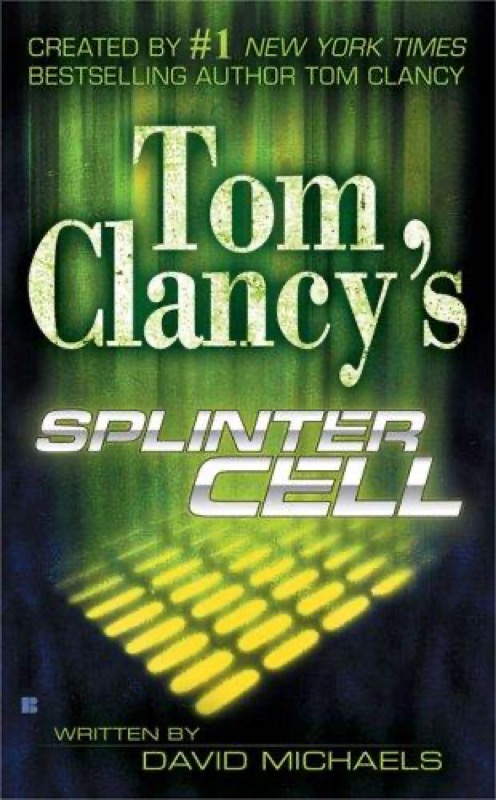
Splinter Cell (Tom Clancy's Splinter Cell, #1)
Tom Clancy's Splinter Cell Series
Hook & thesis
In David Michaels’ Splinter Cell, the author channels Tom Clancy’s signature blend of action and espionage into a gripping narrative that explores the moral ambiguities of military operations. Verdict: This book serves as a thrilling yet deeply unsettling exploration of the human conscience in the shadowy world of black-ops.
The contextual pivot
Splinter Cell occupies a niche within the dark-thriller genre, particularly appealing to readers of military and espionage fiction. Michaels, often associated with Clancy’s universe, bridges the gap between dedicated fans of the series and newcomers to the genre by employing familiar tropes while simultaneously questioning their implications. Unlike Clancy’s more intricate political landscapes, Splinter Cell offers a tighter focus on individual agency amidst the chaos of war, appealing to an audience that seeks adrenaline-pumping narratives grounded in realism.
Deep-dive critique
The structure of Splinter Cell is tightly woven, employing a third-person limited perspective that hones in on protagonist Sam Fisher’s internal conflicts and motivations. This choice allows readers to engage intimately with the protagonist’s moral dilemmas, particularly concerning the ethics of his actions in the field. However, at times, the pacing falters as the narrative veers into prolonged tactical descriptions that may detract from character development. The dialogue, while functional, occasionally leans toward clichéd military jargon, which can alienate readers unfamiliar with such terminology.
Craft-wise, Michaels excels in building tension through vivid descriptions of covert operations, drawing readers into the adrenaline-laden atmosphere. Yet, moments of exposition may feel heavy-handed, undermining the otherwise taut pacing. The themes of loyalty, sacrifice, and the psychological toll of violence resonate compellingly, though the ending may leave some readers wishing for a more nuanced resolution, as it falls back on genre conventions rather than challenging them.
Discussion launchpad
The moral complexities presented in Splinter Cell can provoke diverse opinions among readers: does the narrative glorify violence or critique it?
Questions for the room:
- How effectively does the book balance action with ethical considerations?
- In what ways does Sam Fisher’s character reflect or subvert typical thriller protagonists?
- Does the reliance on military jargon enhance or detract from the accessibility of the narrative?
- How does the ending align with or challenge genre expectations?
- What implications does the book have for contemporary discussions about military ethics in fiction?
#LiteraryAnalysis
#darkthriller
#espionage
#military
#theorchidroom
#darkheartlabs