
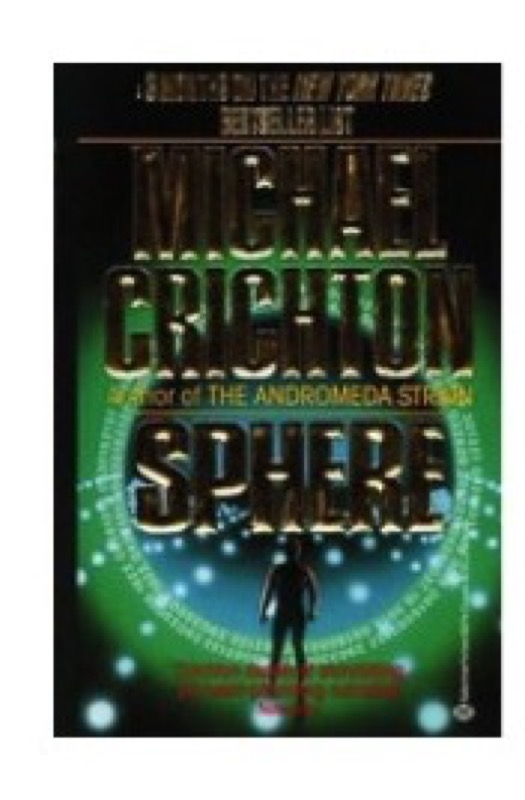
Sphere
Hook & thesis
In Sphere, Michael Crichton delves into the depths of human psyche, where the terror of self-doubt intertwines with existential dread. Verdict: Crichton’s narrative serves as a chilling reminder that the monsters we face may not be born from the dark, but rather conjured from our own minds.
The contextual pivot
Sphere occupies a unique space within the dark-thriller genre, crafting a narrative that oscillates between psychological horror and science fiction. While Crichton is often celebrated for his technical prowess and explorations of human folly in works like Jurassic Park, here he ventures into the labyrinth of the subconscious. The book appeals to a niche audience fascinated by the intersection of science and psychological terror, yet it possesses the potential to resonate with a broader readership through its universal themes of fear, isolation, and the unknown.
Deep-dive critique
Crichton employs an intricate structure, utilizing a limited third-person perspective that closely follows the protagonist, Norman Goodman. This choice effectively enhances the suspense by shrouding the narrative in uncertainty and paranoia. The pacing, particularly in the first half, is masterful, building tension as the characters grapple with their own insecurities while confronting the unknown entity within the sphere. However, as the story progresses, the resolution feels somewhat rushed, undermining the earlier tension built through meticulous character development.
Thematically, Sphere dives deep into the complexities of human fear — fear of the unknown, fear of oneself, and fear of isolation. Crichton’s prose, while crisp and engaging, occasionally falters in character dialogue, where it veers toward exposition rather than authentic interaction. The world-building is rich yet abstract, leaving readers yearning for a more grounded exploration of the setting. The climax, while thrilling, raises questions about its inevitability; the psychological unraveling of the characters feels both earned and abrupt, leaving a lingering unease that may haunt the reader long after the final page is turned.
Discussion launchpad
Crichton’s exploration of self and fear juxtaposes scientific inquiry with the primal instincts of humanity, creating polarizing debates about the nature of reality and the mind’s power. This raises important questions about our understanding of fear and consciousness.
Questions for the room:
- Does the psychological horror effectively overshadow the sci-fi elements, or do they coexist harmoniously?
- How does Crichton’s portrayal of fear reflect contemporary anxieties about technology and the human psyche?
- Is the abruptness of the ending a strength that emphasizes existential dread, or does it detract from the narrative cohesion?
- How do the characters’ psychological flaws contribute to the overall impact of the story?
- What role does isolation play in shaping the characters’ fears, and how does it resonate with modern experiences?
#LiteraryAnalysis #GothicEdge
#darkthriller #romanticsuspense #Sphere