
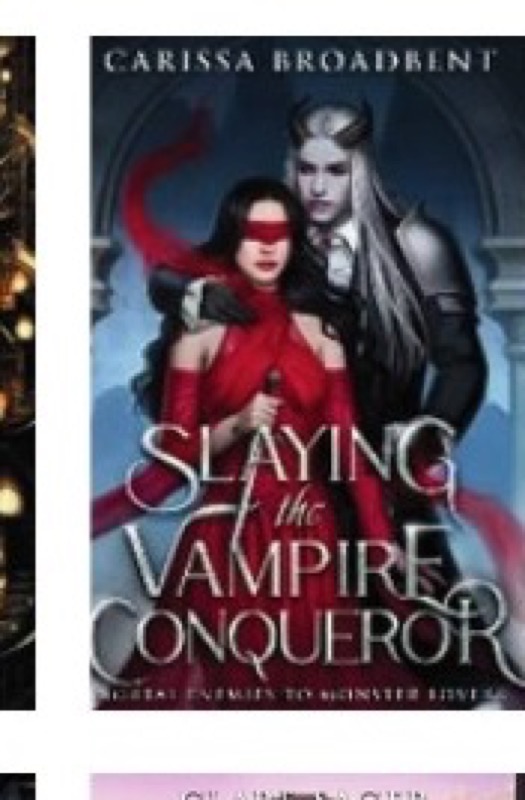
Slaying the Vampire Conqueror
Mortal enemies to monster lovers
Hook & thesis
In “Slaying the Vampire Conqueror,” Carissa Broadbent deftly navigates the treacherous waters of dark romance, intertwining themes of power, desire, and the complexities of love in a world steeped in bloodlust. Verdict: This novel is a thrilling exploration of the primal instincts that govern our deepest connections, and it will leave readers both exhilarated and haunted.
The contextual pivot
Positioned within the vampire-paranormal subgenre, Broadbent’s work resonates with echoes of Anne Rice’s lush prose and Sarah J. Maas’s intricate world-building, while carving out its own niche with a sharp focus on the tension between enemies and lovers. The book invites a dual audience: those drawn to the seductive allure of vampire lore and readers seeking a deeper exploration of morality and desire that transcends typical genre conventions. By unearthing the raw, visceral emotions that underpin the vampire mythos, Broadbent effectively bridges the gap between niche tropes and a wider literary audience.
Deep-dive critique
Broadbent employs a rich, immersive narrative style that envelops readers in a dark, atmospheric world, where every shadow conceals both danger and desire. The pacing is expertly calibrated, oscillating between moments of high tension and intimate vulnerability, mirroring the protagonists’ tumultuous relationship. The dual perspectives provide insight into the characters’ inner turmoils, compellingly juxtaposing their motivations and vulnerabilities, thereby enriching the reader’s connection to their journey.
The thematic exploration of power dynamics is particularly noteworthy. The author skillfully crafts dialogue that crackles with tension, often laced with double meanings that reveal the characters’ conflicting desires. This is exemplified in key scenes where the protagonists’ verbal sparring dances between hostility and attraction, forcing them—and the reader—to confront the thin line separating love from hatred.
However, the novel is not without its flaws. Certain plot points lean heavily on familiar tropes, which may alienate readers yearning for innovation. Additionally, moments of violence, while integral to the narrative’s stakes, occasionally risk overshadowing the emotional breadth of the characters’ journeys. The ending, while satisfying, feels somewhat rushed, leaving a lingering question of whether the evolution of their relationship is fully earned.
Discussion launchpad
The interplay of power and desire within Broadbent’s narrative creates a fertile ground for debate. Readers may grapple with the moral implications of the characters’ actions and the nature of consent within the framework of their tumultuous romance.
Questions for the room:
- How does the depiction of violence impact your perception of the romantic relationship?
- Do you believe the enemies-to-lovers trope is effectively subverted, or does it fall into cliché?
- In what ways does the dual perspective enrich or complicate your understanding of the characters?
- How does the novel’s conclusion shape your view of the protagonists’ transformation?
- Is the tension between power and desire realistically portrayed, or does it veer into fantasy?
#TheOrchidRoom #vampire #paranormal #darkromance #literaryanalysis