
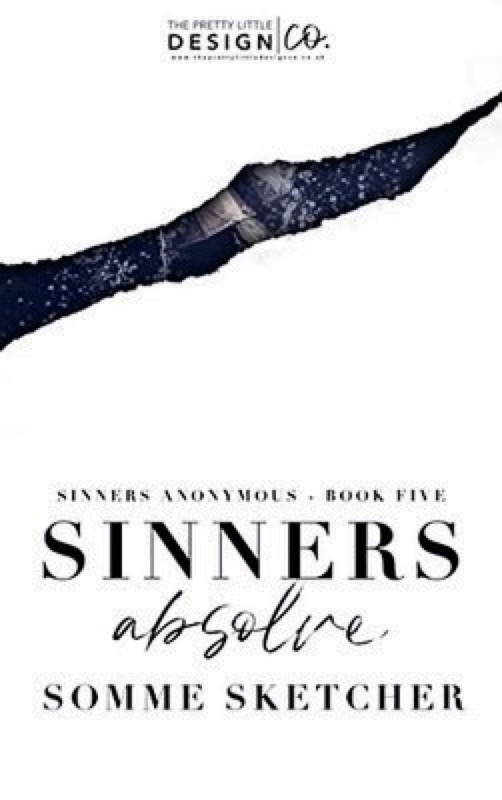
Sinners Absolute
Sinners Anonymous — Book Five
Hook & thesis
In Sinners Absolute, Somme Sketcher deftly navigates the treacherous waters of forbidden love, embedding a profound inquiry into the nature of redemption within a tapestry of organized crime. Verdict: This novel is a visceral examination of desire and morality, where every stolen moment pulses with danger and consequence.
The contextual pivot
As the fifth installment in the Sinners Anonymous series, Sinners Absolute operates at the intersection of dark romance and crime fiction. Sketcher’s work is reminiscent of authors like Tarryn Fisher and Chelsea M. Cameron, who also delve into the complexities of taboo relationships. However, Sketcher elevates the genre with a unique blend of gothic undertones and psychological depth, appealing not only to niche readers but also to a broader audience drawn to the thrill of moral ambiguity. The invisible audience here seeks not just romance but a confrontation with the darker facets of human nature, making this work both provocative and unsettling.
Deep-dive critique
Sketcher’s structural choices amplify the emotional stakes throughout the narrative. The non-linear timeline, which oscillates between past traumas and present dilemmas, serves to heighten tension and illuminate the characters’ motivations. The first-person perspective crafts an intimate connection with the protagonist, allowing readers to experience her internal conflicts viscerally, yet it also risks isolating other characters, leaving their complexities underexplored.
Prose-wise, Sketcher excels in creating an atmospheric landscape, rich with vivid imagery that evokes both beauty and decay. Sentences flow like a twisted river, drawing readers into the depths of the characters’ desires and fears. However, dialogue occasionally falters, veering into melodrama, which may disrupt the otherwise haunting tone. The thematic exploration of redemption is particularly compelling; it raises questions about whether love can truly redeem a soul entrenched in violence and crime. Yet, the ending—while provocative—may divide opinion, as it challenges the conventional resolution found in romance, leaving readers to grapple with an unsettling ambiguity.
Discussion launchpad
The novel’s interplay of love and violence, intertwined with its exploration of morality, presents several polarizing elements for discussion. Does the romanticization of danger undermine the very themes of redemption it seeks to explore?
Questions for the room:
- How does the non-linear narrative impact your engagement with the characters?
- In what ways does the portrayal of crime shape our understanding of the protagonists’ love?
- Are the moments of tenderness enough to offset the darkness within the plot?
- How do you view the ending in terms of genre expectations—was it earned or jarring?
- What ethical implications arise from the characters’ decisions, and do they resonate beyond the page?
#TheOrchidRoom #forbiddenlove #darkromance #literaryanalysis #darkheartlabs