
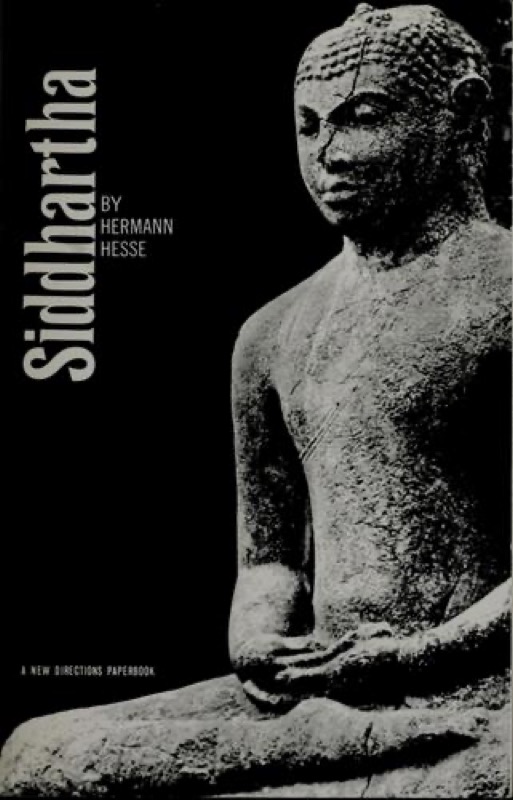
Siddhartha
Hook & thesis
Hermann Hesse’s Siddhartha is a profound exploration of self-discovery and spiritual growth that transcends the conventions of a dark thriller. Verdict: The novel masterfully weaves the intricate human conflict between the search for enlightenment and the chaos of desire, compelling readers to ponder the essence of fulfillment.
The contextual pivot
Set against the backdrop of Eastern philosophy, Siddhartha occupies a unique niche in the literary landscape, blending elements of spiritual journey with introspective self-discovery. Unlike typical dark thrillers that rely heavily on suspense and action, Hesse crafts a meditative pace that invites deep reflection. This novel stands alongside works such as The Alchemist by Paulo Coelho and Steppenwolf, another Hesse masterpiece, as it appeals to both seekers of enlightenment and general readers drawn to philosophical themes. Its ability to bridge these often niche tropes enhances its accessibility, inviting a diverse audience to engage with its profound questions.
Deep-dive critique
Hesse’s structure relies on a linear yet contemplative timeline, tracing Siddhartha’s evolution from a young Brahmin to a man navigating the complexities of life. This pacing serves the thesis of spiritual progress, as it reflects the gradual unfolding of Siddhartha’s understanding of self and the world. The prose is rich with imagery and metaphor, particularly in scenes depicting nature and the river, which symbolize the flow of life and the interconnectedness of existence. For instance, the river becomes a character in its own right, representing both the tumult and tranquility of Siddhartha’s journey.
Dialogue in the novel is often philosophical and introspective, reflecting Hesse’s background in examining existential themes; however, at times it may feel heavy-handed, potentially alienating readers who prefer more subtlety. The character of Siddhartha is well-drawn, embodying the archetypal seeker, while other characters, such as Kamala and Govinda, serve to mirror and challenge his path, enriching the narrative’s thematic depth. The ending, where Siddhartha achieves enlightenment, feels both earned and resonant, closing the narrative loop while leaving readers with lingering questions about the nature of fulfillment.
Discussion launchpad
Hesse’s Siddhartha presents polarities that can spark significant debate: the tension between desire and enlightenment, and whether true fulfillment can exist in a material world.
Questions for the room:
- Does Siddhartha’s journey resonate with modern concepts of self-discovery and personal growth?
- Is Hesse’s portrayal of women in the novel empowering or limiting?
- How does the river as a symbol influence your understanding of Siddhartha’s journey?
- Can the themes of this book be reconciled with contemporary existential struggles?
- What role does cultural context play in interpreting Siddhartha’s search for meaning?
#LiteraryAnalysis #darkthriller #self-discovery #spiritualjourney #philosophy