
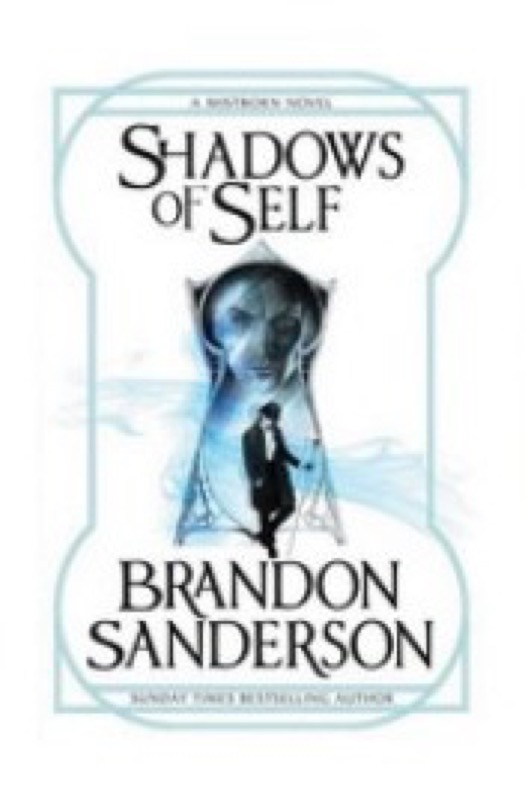
Shadows of Self
Mistborn Era Two Book Two
Hook & thesis
In “Shadows of Self,” Brandon Sanderson artfully intertwines the complexities of identity and power within a fantasy landscape, creating a narrative that serves as both a thrilling adventure and a poignant exploration of the self. Verdict: This novel is a masterclass in blending intricate world-building with layered character development, ultimately proving that the true battle is often within.
The contextual pivot
Positioned as the second book in the Mistborn Era Two series, “Shadows of Self” straddles the line between traditional fantasy and emergent romance, infusing the genre with a nuanced exploration of human desire against a backdrop of societal upheaval. In the realm of fantasy literature, where epic battles and heroism often take center stage, Sanderson deviates from the norm by focusing on the intimate struggles of his characters. While his earlier works garnered acclaim for their grandiose scope, this installment invites readers to delve into the personal stakes of its protagonists, appealing to both die-hard fantasy enthusiasts and those drawn to the subtleties of romantic tension. The invisible audience here finds a bridge between the niche tropes of romantic fantasy and broader thematic inquiries into love, loyalty, and the nature of power.
Deep-dive critique
Sanderson’s narrative structure in “Shadows of Self” serves as a reflection of its central themes. The pacing fluctuates beautifully, with moments of intense confrontation juxtaposed against quieter, introspective interludes that allow characters to grapple with their identities. The duality of the first-person and third-person perspectives helps cultivate a rich tapestry of emotional depth, providing insight into the characters’ internal conflicts while also maintaining an awareness of the external world.
The prose is sharp and evocative, delivering dialogue that crackles with tension, underscoring the emotional stakes. For instance, characters navigate their relationships through clever banter and subtle glances, effectively conveying the heat of desire without overt reliance on physicality. The world-building is meticulous, merging the remnants of a fallen empire with the pulse of modernity, reflecting the characters’ struggles to reconcile their pasts with their futures.
However, the novel is not without its flaws. At times, the intricate plotting risks overshadowing character development, leading to moments where emotional resonance falters in favor of exposition. The resolution, while satisfying, occasionally feels rushed, leaving some character arcs underexplored. Nonetheless, the thematic richness of identity and the moral complexities of power are palpably earned by the conclusion, illuminating the shadows that linger even after the final page.
Discussion launchpad
“Shadows of Self” invites rich discussion around the interplay of power and personal identity, and the ways in which love complicates this dynamic. The novel’s balance of fantasy elements with romance creates polarities regarding reader expectations and satisfaction.
Questions for the room:
- How does Sanderson’s exploration of identity resonate within the broader fantasy genre?
- In what ways do you think the romantic elements enhance or detract from the overall narrative?
- Are the emotional stakes of the characters compelling enough to overshadow the intricate plotting?
- How does the dual perspective influence your understanding of the characters’ motivations?
- What does the ending suggest about the nature of power and its relationship with love?
#TheOrchidRoom #fantasyromance #romantasy #darkromance #literaryanalysis