
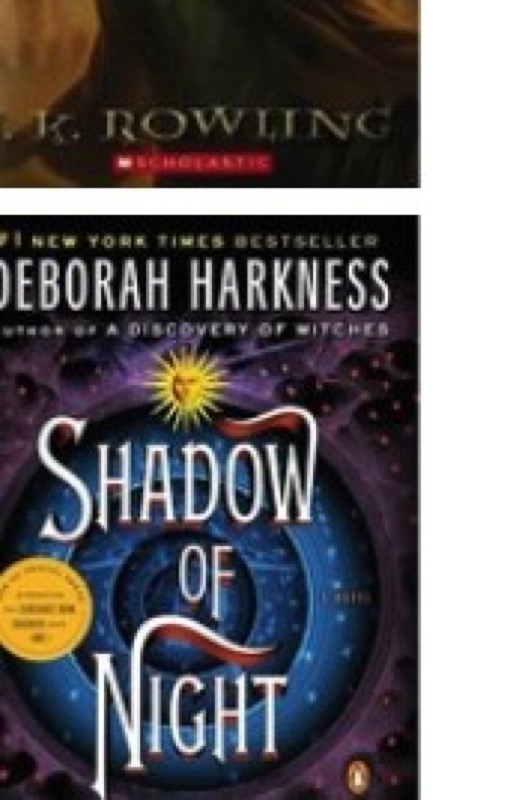
Shadow of Night
Hook & thesis
In Shadow of Night, Deborah Harkness masterfully intertwines the gothic and the romantic within a vampire-infused historical landscape, delving into the depths of desire, power, and identity. Verdict: This is a compelling exploration of love’s shadows that deftly transcends the genre’s conventions, revealing the intricate dance between enlightenment and darkness.
The contextual pivot
Positioned within the vampire-paranormal genre, Harkness’s work stands apart, not merely through its supernatural elements but through its scholarly undertones and historical richness. Unlike many contemporary offerings that focus solely on romantic escapism, Shadow of Night weaves a tapestry that bridges niche elements of historical fiction with the broader appeal of paranormal romance. Harkness, known for her All Souls Trilogy, speaks to an audience that craves depth and complexity, inviting both genre enthusiasts and general readers to engage with themes that resonate beyond the page.
Deep-dive critique
Harkness’s structural choices amplify the thematic weight of her narrative; the dual timelines offer a layered understanding of her characters’ motivations. The pacing, especially in the latter half, though at times languorous, allows for a richer engagement with the historical context, immersing the reader in the 16th-century backdrop that shapes the characters’ interactions. Harkness excels in her use of dialogue, capturing the nuances of courtly manners while embedding moments of tension that simmer beneath the surface, reflecting the characters’ inner turmoil.
The prose, lush and evocative, often mirrors the characters’ desires—rich descriptions of settings and emotions create an atmosphere thick with anticipation and danger. However, it occasionally veers into verbosity, potentially alienating readers seeking brisker narratives. The dynamic between Diana and Matthew, fraught with power imbalances and shared vulnerabilities, serves as a significant thematic fulcrum, manifesting the essential conflict of identity versus love. The ending, intertwined with both resolution and ambiguity, feels earned, though it may leave some readers craving more closure, highlighting the tension between desire for continuity and the inevitability of change.
Discussion launchpad
Harkness’s narrative choices provoke a range of responses; the intricacies of her character arcs may polarize readers, with some embracing the slow burn while others yearn for a more immediate resolution. The historical context enriches the narrative but also poses questions about representation and accuracy within a genre often characterized by modern interpretations of romance and power dynamics.
Questions for the room:
- How do the historical elements enhance or detract from the romantic plot?
- Does the tension between Diana and Matthew reflect broader societal issues, and if so, how?
- In what ways does the pacing affect your engagement with the characters?
- Are the supernatural elements integral to the theme of identity, or do they serve as mere embellishments?
- How does Harkness challenge or reinforce traditional gender roles through her characters?
#TheOrchidRoom #vampire #paranormal #darkromance #literaryanalysis