
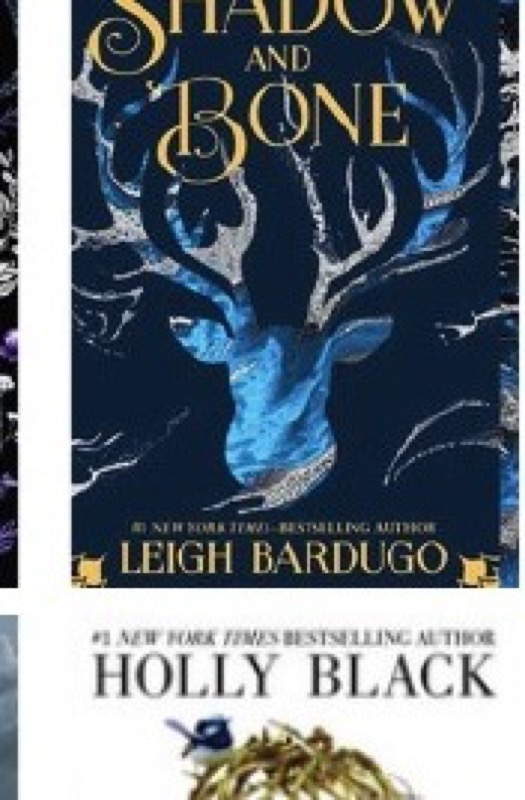
Shadow and Bone
Hook & thesis
Leigh Bardugo’s Shadow and Bone weaves a dark tapestry of identity and power within a fractured world, where the struggle between light and shadow mirrors the protagonist’s inner turmoil. Verdict: This book captures the complexity of desire and belonging, ultimately crafting a narrative that is both enchanting and haunting.
The contextual pivot
Nestled comfortably within the fantasy-romance genre, Shadow and Bone stands as a significant entry in Bardugo’s Grishaverse, a sprawling universe rich with magic and moral ambiguity. This novel navigates the well-trodden paths of young adult fantasy, akin to the works of Sarah J. Maas and Cassandra Clare, yet it dares to explore the darker aspects of ambition and self-discovery. The invisible audience here is not solely the realm of young adult readers; it beckons those who appreciate intricate world-building and complex relationships, bridging niche tropes with broader appeal through its emotional depth and gothic undertones.
Deep-dive critique
Bardugo employs a dual narrative structure that intertwines Alina Starkov’s coming-of-age journey with the menacing presence of the Shadow Fold, a dark rift infested with monsters. The pacing fluctuates between the frenetic urgency of Alina’s adventures and the slower, introspective moments that allow her character to breathe and evolve. This careful balance enables readers to experience the weight of her choices intimately. The first-person POV draws us into Alina’s psyche, inviting empathy while simultaneously revealing her insecurities and desires, which heightens the tension surrounding her burgeoning powers and complicated relationships, particularly with the enigmatic Darkling.
The prose is lush and evocative, with Bardugo’s command over imagery creating a vivid sense of place, from the bustling streets of Os Alta to the eerie expanses of the Fold. However, moments of dialogue occasionally falter, veering into clichéd territory that disrupts the otherwise fluid narrative. Yet, it is in the thematic exploration of light versus darkness—both literally and metaphorically—that the novel truly excels. Alina’s struggle for identity and acceptance amidst societal expectations resonates deeply, making her journey not just a fantastical adventure but a poignant reflection on the nature of power and self-worth. The ending, while satisfying, leaves threads tantalizingly unresolved, ensuring the reader’s investment in the continuation of Alina’s saga.
Discussion launchpad
The interplay of light and shadow in Shadow and Bone gives rise to polarities that could provoke heated debate among readers. The duality of Alina’s character raises questions about morality and power, while the romantic entanglements serve as a lens to explore the nuances of desire and betrayal.
Questions for the room:
- How effectively does Bardugo balance romance with the overarching themes of power and identity?
- Are the supporting characters adequately developed, or do they serve merely as foils for Alina’s journey?
- Does the portrayal of the Darkling challenge traditional notions of villainy, and how does that affect reader sympathy?
- In what ways does the world-building enhance or detract from the narrative’s emotional core?
- How do elements of fantasy violence contribute to the overall tone and message of the book?
#TheOrchidRoom #fantasyromance #romantasy #darkromance #shadow