
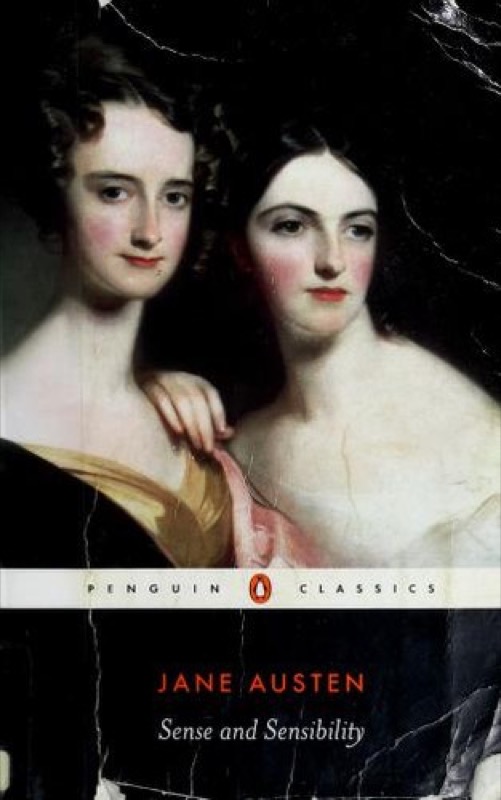
Sense and Sensibility
Hook & thesis
Jane Austen’s Sense and Sensibility masterfully navigates the complexities of love and financial security in a society that demands adherence to rigid social codes. Verdict: This novel is a sharp examination of the human heart, revealing that the true conflict lies not merely in romantic entanglements but in the struggle for personal integrity within societal constraints.
The contextual pivot
Positioned at the intersection of romantic fiction and social commentary, Sense and Sensibility stands as a hallmark of Austen’s oeuvre, exploring the nuances of relationships against the backdrop of early 19th-century England. Unlike the more exuberant romances of contemporaries such as Charlotte Brontë, Austen’s work is characterized by its witty, incisive prose and its ability to bridge niche tropes of courtship and class with a broader appeal. The invisible audience of this novel includes not only those seeking a romantic narrative but also readers who appreciate a critical lens on social dynamics and gender roles.
Deep-dive critique
Austen’s deft use of free indirect discourse creates a layered experience, allowing readers to inhabit the minds of her characters while simultaneously maintaining a satirical distance. The pacing of the narrative enhances the tension between Elinor’s sense of duty and Marianne’s passionate sensibility, driving home the thematic dichotomy that defines the novel. Dialogue sparkles with irony and wit, revealing character motivations and societal expectations without the need for explicit exposition.
However, the structure can sometimes feel uneven, particularly in its climactic resolutions, where certain arcs wrap up rather abruptly, and motivations might strain credulity. The final scenes, while offering resolution, can leave readers questioning the genuineness of character transformations. Are the characters truly changed, or are they simply conforming to the expectations thrust upon them? The emotional weight of Elinor’s quiet perseverance resonates, yet one might argue that some supporting characters lack the depth required to make their fates feel fully earned.
Discussion launchpad
Austen’s exploration of societal norms and personal desires creates a fertile ground for debate, especially regarding the portrayal of female agency and the pressures of conformity.
- The tension between sense and sensibility raises questions about emotional authenticity versus societal expectation.
- How do the characters embody or resist the archetypes of the era, and what does that mean for modern readers?
- Are the romantic resolutions satisfying, or do they reflect a compromise of individual desires for social acceptance?
Questions for the room:
- How does Austen’s treatment of class dynamics inform our understanding of the characters’ decisions?
- In what ways do Elinor and Marianne represent contrasting responses to societal pressures, and which resonates more with contemporary readers?
- Is the ending of Sense and Sensibility a triumph of personal growth or a mere capitulation to societal norms?
#TheOrchidRoom #enemiestolovers #darkromance #classic #literaryanalysis