
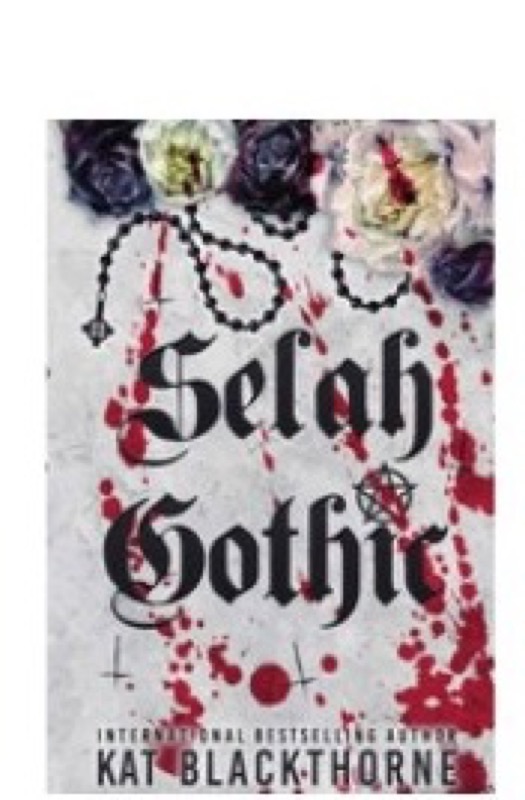
Selah Gothic
International Bestselling Author
Hook & thesis
In Selah Gothic, Kat Blackthorne masterfully weaves a tapestry of dark romance that lures readers into a haunting exploration of faith and desire. Verdict: This novel transcends the boundaries of gothic tropes, exposing the raw wounds of longing and belief.
The contextual pivot
Situated firmly within the gothic-horror-romance genre, Selah Gothic draws upon the stylistic conventions of classic works while marching boldly into contemporary discourse. Blackthorne’s narrative echoes the atmospheric density of Shirley Jackson and the emotional depth of Daphne du Maurier, yet it carves its own niche by intermingling elements of the occult with visceral relational dynamics. The author cultivates a specialized audience intrigued by the merging of horror and romance, but her deft handling of universal themes of love and loss ensures that the narrative resonates beyond genre enthusiasts.
Deep-dive critique
The structural pacing of Selah Gothic is both a triumph and a trial; the languorous unfolding of events mirrors the protagonist’s gradual descent into a world where faith intertwines with fervent desire. The use of a dual timeline artfully juxtaposes the protagonist’s present turmoil against the backdrop of her past, allowing readers to experience the full weight of her choices. Blackthorne’s prose is lush and evocative, infusing each scene with a sense of dread and yearning that builds palpable tension. For instance, the recurring motifs of religious imagery and blood serve not only to enhance the gothic atmosphere but also to symbolize the protagonist’s internal struggles, blurring the lines between sacred and profane. However, the dialogue occasionally falters, veering into melodrama that risks undercutting the intensity of the narrative. The climax, while visually striking, feels slightly disjointed from the emotional arcs established earlier, raising questions about whether the resolution is fully earned.
Discussion launchpad
Selah Gothic prompts a multitude of polarizing discussions, particularly around the intersections of faith and desire, and how they shape character motivations. The portrayal of religious imagery may evoke strong reactions, as some readers might find it enriching, while others may see it as exploitative.
Questions for the room:
- How does Blackthorne’s use of religious imagery influence your understanding of the characters’ motivations?
- In what ways do the themes of faith and desire reflect or challenge modern societal norms?
- Does the dual timeline enhance or detract from the narrative’s emotional impact?
- How do you interpret the balance between horror and romance—does one overpower the other in this text?
- What gaps remain in the portrayal of the occult? Does it serve as a mere backdrop or does it influence character development?
#TheOrchidRoom #gothic #horrorromance #darkromance #literaryanalysis