
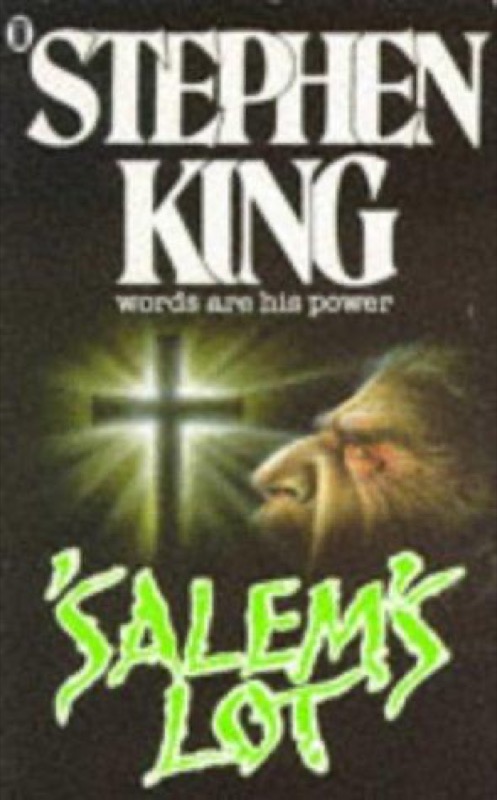
’Salem’s Lot
A chilling tale of a town plagued by a vampire's return.
Hook & thesis
Stephen King’s ’Salem’s Lot digs deep into the familiar confines of small-town America to explore the insidious spread of evil through the lens of vampirism. Verdict: This novel masterfully intertwines horror and humanity, revealing the dark seams of community ties as they unravel under supernatural pressure.
The contextual pivot
’Salem’s Lot occupies a pivotal space in the vampire-paranormal genre, crafting a narrative that is both a homage and a critique of classic horror tropes. It stands alongside works like Bram Stoker’s Dracula and Anne Rice’s Interview with the Vampire, yet it carves its own identity by embedding the horror within a contemporary American setting, where the grotesque contrasts sharply with the mundane. King’s exploration of human frailty amidst unnatural horror speaks to both niche horror enthusiasts and general readers, making it a bridge between the visceral thrills of Gothic literature and the everyday fears that haunt us in the night.
Deep-dive critique
King’s structure is a deliberate pacing of dread that ebbs and flows, expertly using multiple perspectives to enrich the narrative tapestry. The small-town setting of Jerusalem’s Lot acts as a character in its own right, and King’s vivid world-building immerses readers into a place where familiarity becomes a false sense of security. The way he juxtaposes the normalcy of life with the encroaching terror is both unsettling and poignant.
His prose, while often straightforward, carries an undercurrent of tension that escalates to a fever pitch, particularly in scenes that encapsulate the slow awakening of horror — the unassuming windows in a darkened house, the whispering winds that foretell doom. Notably, the dialogue feels authentic, evoking the common speech patterns of small-town life, which amplifies the horror when the supernatural intrudes. However, some critiques could be aimed at the pacing in the latter half, as certain plot threads feel drawn out, potentially diluting the urgency that builds in the beginning.
Additionally, King’s thematic exploration of fear — fear of the unknown, fear of loss, and fear of the self — resonates deeply throughout the novel. The ending, a culmination of both personal and communal reckonings, is earned, leaving readers with lingering questions about the nature of evil and our complicity in it.
Discussion launchpad
While ’Salem’s Lot serves as an exemplar of horror literature, its layered complexities can ignite polarizing viewpoints among readers.
Questions for the room:
- Does King’s depiction of small-town dynamics enhance the horror, or does it distract from the main narrative?
- How does the supernatural element reflect the characters’ internal struggles?
- Is the pacing in the latter half a flaw or a deliberate choice to deepen the horror?
- What roles do nostalgia and memory play in the narrative, and how do they impact the reader’s experience?
- Can we truly reconcile the concept of evil with the human condition as presented in this novel?
#TheOrchidRoom #vampire #paranormal #darkromance #horror