
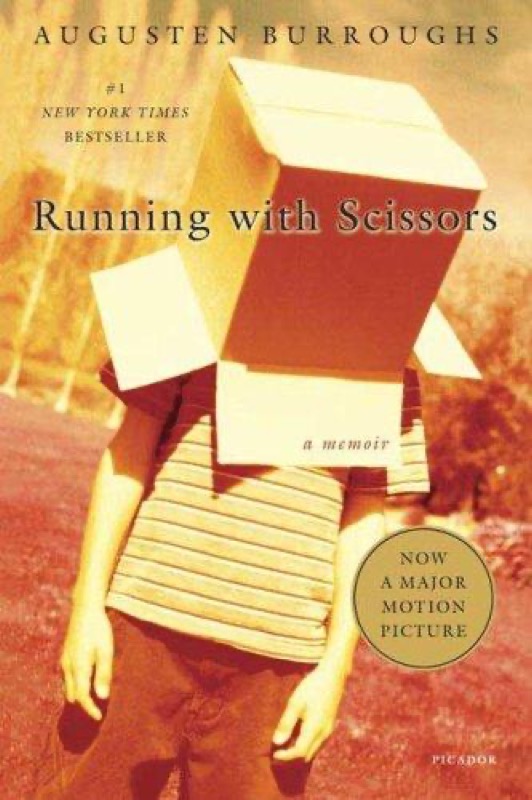
Running with Scissors
Hook & thesis
Augusten Burroughs’ Running with Scissors is a harrowing exploration of a childhood steeped in chaos, where the grotesque becomes the norm and love is twisted into a weapon. Verdict: This memoir blurs the line between dark humor and unflinching horror, leaving readers grappling with the unsettling notion that the human spirit can endure even the most grotesque of environments.
The contextual pivot
Set within the boundaries of the memoir genre, Running with Scissors stands out as a stark representation of the dysfunctional family trope, aligned with works like Dave Eggers’ A Heartbreaking Work of Staggering Genius and Mary Karr’s The Liars’ Club. Burroughs crafts a narrative that speaks not only to those acquainted with trauma but also to a broader audience intrigued by the macabre undercurrents of everyday life. The book serves as a bridge from niche memoirs into mainstream literary discussions, particularly by challenging societal norms about family, love, and survival in the face of madness.
Deep-dive critique
Burroughs employs a fragmented structure that mirrors his tumultuous upbringing, using nonlinear timelines that disrupt conventional storytelling. This technique serves to plunge readers into the chaos of his childhood, yet at times it falters, leading to moments where the transitions feel jarring rather than enlightening. The prose is sharp and vivid, filled with darkly humorous observations that serve as a coping mechanism for the author as well as a lens for the reader. For instance, Burroughs’ depiction of his mother’s descent into mental illness is both poignant and grotesque, reflecting the absurdity of his reality while evoking empathy.
Characterization is one of the memoir’s strongest suits; Burroughs breathes life into his dysfunctional family members with a blend of affection and horror. However, the dialogue occasionally lacks the depth needed to fully flesh out their motivations, leaving them feeling like caricatures rather than fully-realized individuals. The climax, while climactic, leaves an emotional void that some readers might find unearned, as Burroughs’ survival feels more like a mere accident of fate rather than a triumphant resolution. The ending, while impactful, raises questions about the reliability of memory and the narratives we construct from trauma.
Discussion launchpad
Burroughs’ work evokes a unique tension between laughter and horror, challenging readers to confront the absurdity of trauma while also questioning the romanticization of dysfunction. Questions for the room:
- Is the use of humor in depicting trauma a valid coping mechanism or does it undermine the severity of the experiences?
- How does Burroughs’ portrayal of mental illness compare to depictions in contemporary memoirs?
- In what ways does the fragmented narrative structure enhance or detract from the memoir’s emotional impact?
- Are the characters sufficiently complex, or do they serve more as symbols of dysfunction than as real individuals?
- How does this memoir compare to other dark thrillers in its treatment of family dynamics and mental illness?
#LiteraryAnalysis #GothicEdge #TheOrchidRoom #darkthriller #memoir #darkhumor