
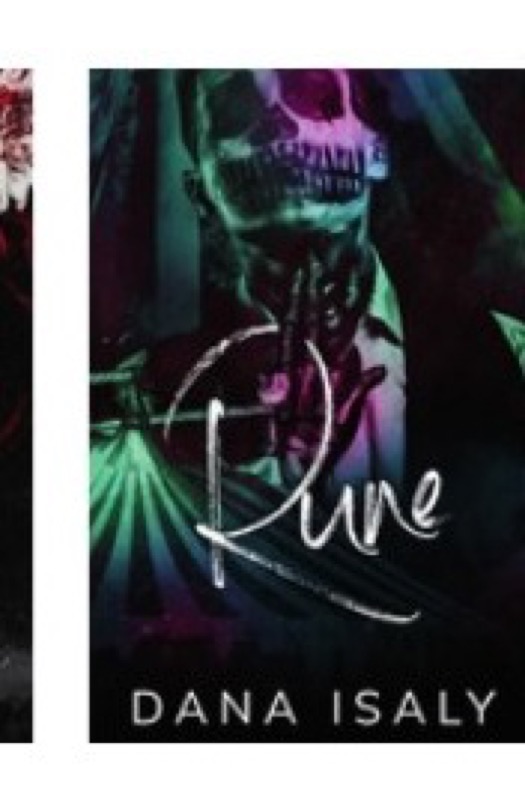
Rune
Hook & thesis
In Dana Isaly’s Rune, the intertwining destinies of love and death carve a haunting narrative that lingers in the reader’s mind like a fleeting specter. Verdict: Isaly deftly manipulates gothic tropes to unearth the raw, unsettling truths of human desire nestled within a carnival of horrors.
The contextual pivot
Positioned firmly within the gothic horror romance genre, Rune stands out yet echoes the works of contemporary authors like Silvia Moreno-Garcia and Anna-Marie McLemore, who similarly weave rich tapestries of darkness and allure. Isaly’s novel not only appeals to the niche audience of gothic enthusiasts but also invites general readers into a world where the grotesque meets the romantic, much like the allure of a carnival — both enchanting and deeply unsettling. This work bridges the gap by immersing readers in a circus setting that amplifies themes of transformation and identity through a lens of darkness, making it a fascinating exploration of the human psyche.
Deep-dive critique
The structure of Rune is essential to its effectiveness; Isaly employs a nonlinear timeline and dual perspectives that echo the disorientation of the circus itself. This choice enriches the narrative, creating a dreamlike quality that enhances the tension and sense of foreboding. Characters are layered and complex, each embodying a spectrum of desire and despair. For instance, the protagonist’s internal struggle reflects on the grotesque beauty of her romantic entanglements, highlighted through sharp, vivid prose that paints the emotional landscape with both clarity and ambiguity.
Dialogue within this world is evocative, serving as both a means of connection and a tool of manipulation, echoing the themes of performance and role-playing inherent in a circus environment. However, the pacing occasionally falters during transitions between timelines, risking reader engagement and diluting the mounting tension. Yet, the climactic moments remain visceral and earned, culminating in an ending that resonates with both resolution and haunting ambiguity, leaving readers questioning the very nature of love entwined with horror.
Discussion launchpad
While Rune captivates with its exploration of dark love, its ability to provoke discomfort may polarize readers. The balance of romance and horror raises debates about what constitutes a fulfilling resolution in a gothic narrative.
Questions for the room:
- How do the dual perspectives impact your connection to the characters?
- In what ways does the circus setting enhance or detract from the themes of the novel?
- Is the blend of horror and romance a successful formula, or does it risk overshadowing one aspect for the other?
- How does Isaly’s portrayal of death imagery shape your understanding of desire in the context of the novel?
- What unresolved questions linger for you after the final pages?
#TheOrchidRoom #gothic #horrorromance #darkromance #Rune