
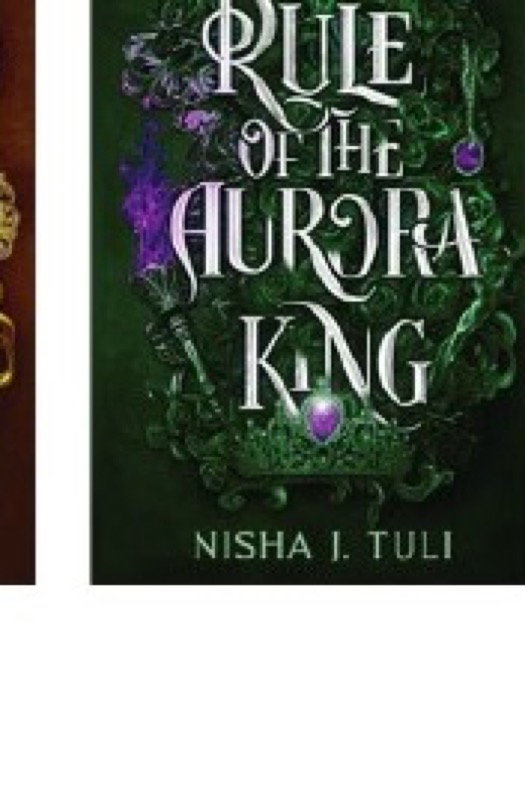
Rule of the Aurora King
Hook & thesis
In Rule of the Aurora King, Nisha J. Tuli weaves a tapestry of desire, power, and the haunting echoes of betrayal within a realm of frost and enchantment. The book’s true engine lies in the tension between autonomy and submission, exploring how love can both liberate and ensnare. Verdict: Tuli’s narrative captures the delicate balance of yearning and despair, making it a compelling addition to the fantasy-romance genre.
The contextual pivot
Set against the rich backdrop of fantasy-romance, Rule of the Aurora King intricately blends elements of fae mythology with dark court intrigue, positioning itself among works like Sarah J. Maas’s A Court of Thorns and Roses and Holly Black’s The Cruel Prince. Tuli’s exploration of a winter court teeters on the edge of danger and allure, appealing to an audience craving both romantic tension and the thrill of the unknown. While the genre can often lean into tropes of ethereal beauty and whimsical love, Tuli distinguishes her narrative by probing deeper into the darker aspects of desire and the psychological ramifications of power dynamics. This book bridges the gap between niche fae fantasies and broader romantic narratives, inviting readers across the spectrum to engage with its complexities.
Deep-dive critique
The narrative structure of Rule of the Aurora King is both its strength and weakness. Tuli employs a close third-person perspective that allows for an intimate exploration of the protagonist’s tumultuous emotions, yet at times, this focus constrains broader world-building opportunities that could enrich the overall experience. The pacing is deliberate, reflecting the cold, languorous nature of winter, but occasionally it stumbles, causing moments of tension to dissipate when they should escalate.
Craft-wise, Tuli excels in her use of vivid imagery and evocative language, painting the icy landscapes and the characters’ inner turmoil with equal finesse. For instance, descriptions of the Aurora King’s realm evoke a sense of both beauty and dread, effectively mirroring the protagonist’s emotional landscape. However, character dialogue occasionally falters, slipping into cliché territory, which detracts from the otherwise immersive experience. The thematic success of the novel lies in its exploration of betrayal as both a catalyst for growth and a weapon of destruction, though the ending risks feeling unearned for some readers, as it skirts the line between resolution and ambiguity.
Discussion launchpad
Rule of the Aurora King invites readers to grapple with the complexities of loyalty and desire, making it ripe for discussion. What could have been explored more deeply? Are the character arcs satisfying, or do they leave lingering questions?
Questions for the room:
- How does the portrayal of power dynamics in romantic relationships shape your perception of the characters?
- Do you find the ending satisfying given the buildup of tension throughout the novel?
- In what ways does Tuli’s depiction of the fae differ from traditional representations in other fantasy literature?
- How does the interplay of violence and romance affect your reading experience?
- Is the balance between dark themes and romantic elements well-executed, or does it lean too far in one direction?
#TheOrchidRoom #fantasyromance #darkromance #auroraking #literaryanalysis