
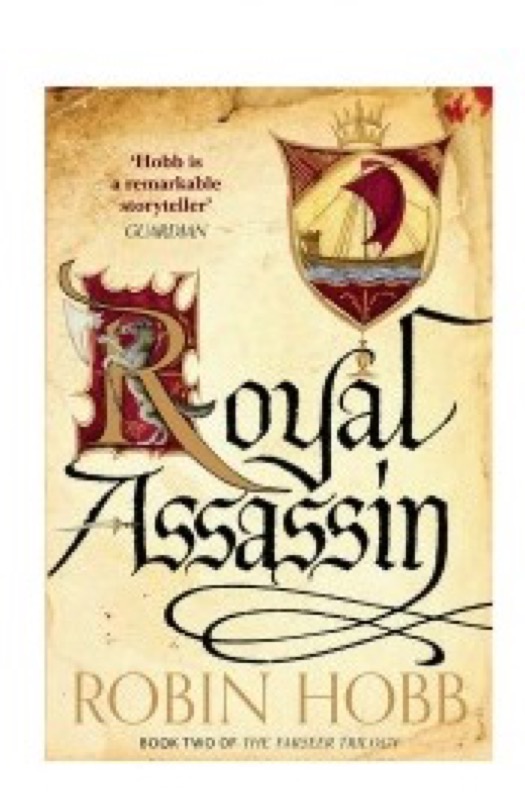
Royal Assassin
Book Two of the Farseer Trilogy
Hook & thesis
In Robin Hobb’s Royal Assassin, the intricate dance of loyalty and betrayal unfolds against a backdrop of courtly intrigue, where the protagonist navigates the treacherous waters of duty and desire. Verdict: Hobb crafts a hauntingly beautiful narrative that masterfully intertwines personal sacrifice with the cold machinations of power, leaving readers breathless and yearning for more.
The contextual pivot
As the second installment in the Farseer Trilogy, Royal Assassin captures the essence of high fantasy while embedding itself in the sub-genres of romantic elements intertwined with dark themes. Hobb’s work stands out in a genre often dominated by overt heroism and clear-cut moralities, offering instead a nuanced exploration of human frailty. Readers familiar with authors like George R.R. Martin or Patrick Rothfuss will find Hobb’s deft characterization and emotional depth a refreshing yet familiar territory. The invisible audience here spans both avid fantasy enthusiasts and those drawn to complex emotional narratives, effectively bridging niche tropes with broader appeal.
Deep-dive critique
Hobb’s narrative structure in Royal Assassin expertly employs a first-person point of view, allowing readers to intimately experience the protagonist FitzChivalry Farseer’s internal conflicts and emotional turmoil. This choice not only deepens the reader’s connection to Fitz but also accentuates the gothic-romantic undercurrents that pulse through the text. The pacing is deliberate, embodying the slow burn of Fitz’s relationships and the gradual unraveling of court intrigue, which creates a palpable tension that keeps the reader engaged.
The prose is lush and evocative, rich with imagery that brings the world to life while simultaneously reflecting Fitz’s inner landscape. Hobb’s characters are vividly realized, each imbued with their own desires and fears, contributing to a tapestry of emotional intensity that resonates throughout the narrative. However, at times, the weight of the narrative can feel oppressive, as the relentless focus on emotional pain and sacrifice may alienate readers seeking a lighter fantasy experience.
Moreover, the dialogue is sharp and revealing, effectively showcasing the characters’ motivations and the societal constraints they navigate. The thematic exploration of loyalty, identity, and the cost of love is not merely an embellishment but the very engine that drives the plot forward. The ending, while heart-wrenching, feels earned, leaving readers with a blend of hope and despair that lingers long after the final page.
Discussion launchpad
Hobb’s Royal Assassin evokes strong reactions, particularly regarding the emotional weight it carries and the choices made by its characters. The polarities around the book may revolve around whether the intensity enhances or detracts from the overall enjoyment of the story.
Questions for the room:
- How do you perceive the balance between emotional depth and plot progression in Hobb’s writing?
- Can readers appreciate the heavy themes of sacrifice and betrayal without feeling overwhelmed?
- In what ways does Fitz’s character resonate with contemporary notions of masculinity in literature?
- How does Hobb’s portrayal of female characters compare to those in other fantasy works?
- Is the ending satisfying or does it leave too many threads unresolved?
#TheOrchidRoom #fantasyromance #darkromance #royal #assassin