
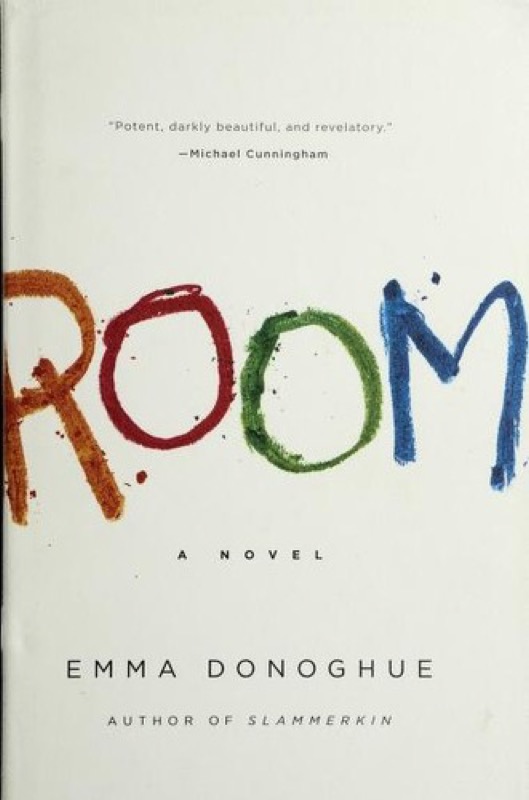
Room
Hook & thesis
Emma Donoghue’s Room is a harrowing exploration of the bonds of motherhood forged in the darkest of circumstances. Verdict: This novel is a profound meditation on survival and the indomitable spirit of love amidst trauma, revealing that freedom can be as complicated as captivity.
The contextual pivot
Room sits firmly within the captor-and-captive subgenre, a category that typically examines the psychological and physical dynamics between a captive and their jailer. In the landscape of contemporary literature, Donoghue’s work stands alongside others such as The Lovely Bones by Alice Sebold and Misery by Stephen King, both of which delve into the fragility of the human condition under duress. However, Donoghue distinguishes herself by focusing on the relationship between mother and child, rendering the narrative deeply personal and emotionally charged. The invisible audience likely includes those drawn to psychological dramas and explorations of motherhood, as the novel manages to bridge niche tropes to resonate with general readers through its universal themes of love and resilience.
Deep-dive critique
Donoghue’s structure employs a unique first-person perspective that immerses readers in the world of Jack, a five-year-old boy who has spent his entire life in a single room with his mother. This limited perspective creates an immediacy that enhances the tension and emotional stakes, as we see the world through Jack’s innocent yet poignant lens. The pacing, particularly in the transitions between the claustrophobic confines of the room and the vastness of the outside world, serves to amplify the overwhelming nature of both confinement and liberation.
The prose is strikingly simple yet profound, mirroring Jack’s understanding of his reality; this choice not only reinforces the child’s perspective but also makes the moments of clarity and realization all the more impactful. Donoghue masterfully contrasts the mundane details of life within the room with the harrowing reality of their situation, allowing the reader to feel the weight of both captivity and the inherent human desire for connection and freedom. However, the narrative sometimes falters in pacing during the transition to the outside world—while the intensity of reentry into society is palpable, it risks losing some of the emotional immediacy that characterized the earlier sections. The ending, however, is earned; it captures the complexity of healing and the continued struggle of redefining one’s identity post-captivity.
Discussion launchpad
Room invites a nuanced discussion around the themes of trauma, motherhood, and resilience. What makes this book so polarizing is its capacity to evoke empathy for both the captive and the captor, challenging readers to confront their preconceptions about agency, love, and survival.
Questions for the room:
- How does Donoghue’s portrayal of Jack’s innocence serve to complicate our understanding of trauma?
- In what ways does the depiction of motherhood shape the narrative’s emotional landscape?
- Can the reader maintain empathy for the captor, or does this undermine the story’s moral framework?
- How does the shift from confinement to freedom impact the overall message of the novel?
- What unresolved tensions linger in the narrative that could lead to further exploration of identity and agency?
#TheOrchidRoom #captive #darkromance #survival #psychological