
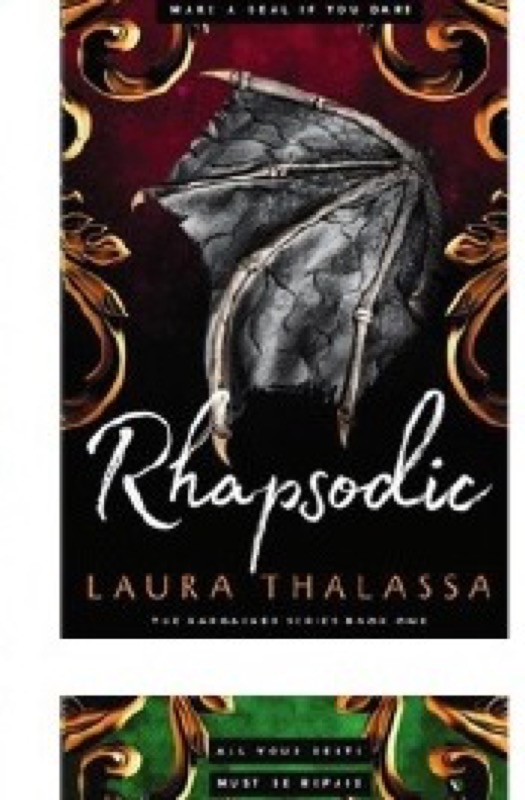
Rhapsodic
Make a deal if you dare
Hook & thesis
In Laura Thalassa’s Rhapsodic, the intricate dance of desire and power unfolds within a world where deals can cost more than one’s soul. The author’s primary objective is to explore the palpable tension between longing and betrayal, raising the stakes of human connection to dizzying heights. Verdict: This novel seduces with its dark allure, yet ultimately, it leaves the reader questioning the true price of love.
The contextual pivot
Set against the backdrop of fantasy romance, Rhapsodic carves out a niche that straddles the line between dark romance and fae lore. Thalassa’s work echoes the sensibilities of authors like Sarah J. Maas and Jennifer L. Armentrout, but it boldly ventures into more treacherous emotional territories. The invisible audience spans those who crave escapism laced with shadows, yet it also invites general readers drawn to complex relationships fraught with peril and desire. Thalassa’s ability to bridge niche tropes—like the fae bargain—into a more universal exploration of necessity and longing makes this book a compelling read.
Deep-dive critique
Rhapsodic excels in its use of pacing and structure, with an intertwining timeline that reflects the tumultuous nature of its characters’ relationships. The first-person POV immerses the reader in the protagonist’s psyche, allowing us to experience her tumultuous desires and fears firsthand. However, while this perspective draws us closer to the protagonist’s emotional turmoil, it sometimes restricts the narrative’s breadth, leaving secondary characters underdeveloped and their motivations murky.
Thalassa’s prose is both lyrical and visceral, successfully evoking a haunting atmosphere that complements the gothic elements of the story. Dialogue is sharp and laden with subtext, enriching the tension between characters. Yet, the emotional stakes occasionally falter due to predictable plot devices, which may leave seasoned readers yearning for a greater twist. The thematic exploration of trauma and its implications on love is poignant, yet the resolution feels somewhat contrived, as if the characters’ growth is sacrificed for a neat conclusion. The ending, while satisfying on a surface level, raises questions about whether it truly honors the complexity of their earlier struggles.
Discussion launchpad
Rhapsodic presents several polarities that could ignite lively debate within the book club. The balance of romance and trauma raises pertinent questions about the portrayal of toxic relationships under the guise of passion.
Questions for the room:
- Does the depiction of trauma as a catalyst for romantic tension romanticize unhealthy relationships?
- How effectively does the narrative maintain suspense without relying on clichés?
- In what ways does the structure enhance or hinder character development?
- Is the ending an authentic resolution or a concession to genre expectations?
- How does Thalassa’s portrayal of fae culture reflect or subvert traditional fantasy tropes?
#TheOrchidRoom #fantasyromance #darkromance #Rhapsodic #LauraThalassa