
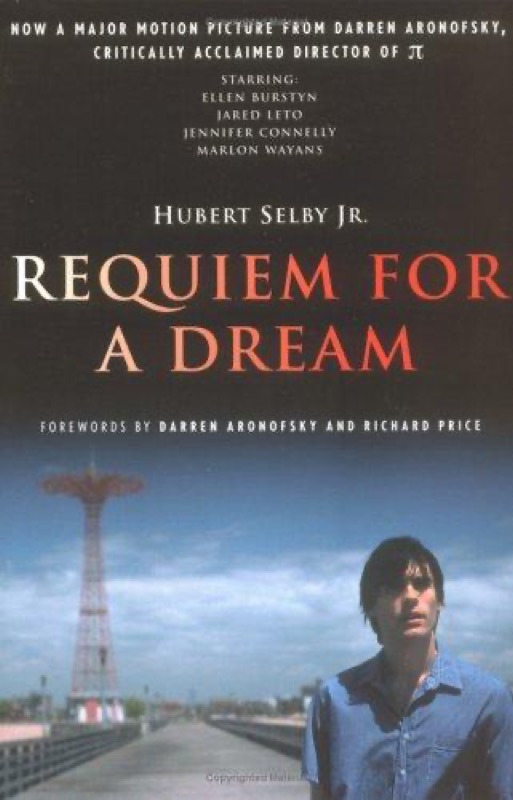
Requiem for a Dream
Hook & thesis
In Requiem for a Dream, Hubert Selby Jr. plunges readers into the abyss of addiction, exposing the harrowing descent into despair that ensnares his characters. Verdict: This novel is a brutally honest exploration of dreams corrupted by addiction and the grotesque nature of human longing.
The contextual pivot
Positioned within the dark-thriller genre, Selby’s work stands as a visceral testament to the struggles of urban existence and addiction, echoing the themes of despair found in the works of contemporaries like William S. Burroughs and Charles Bukowski. This narrative is not merely for aficionados of the gritty underbelly of life; it serves as a grim bridge for a wider audience seeking to confront the uncomfortable truths often overlooked in mainstream literature. The invisible audience here grapples with their own demons, finding a painful reflection in Selby’s unflinching prose.
Deep-dive critique
The structure of Requiem for a Dream operates through a fragmented narrative that aligns with the chaotic mental states of its characters. Selby employs a third-person omniscient point of view, weaving together the lives of four protagonists whose dreams intertwine yet unravel tragically. This disjointed timeline effectively mirrors the disillusionment borne from substance abuse, creating a rhythm that feels both relentless and suffocating.
In terms of craft, Selby’s prose is raw and unpolished, a deliberate choice that enhances the authenticity of the characters’ experiences. His dialogue is sharp, often laced with desperation, showcasing the characters’ deteriorating mental states. However, this stylistic choice may alienate some readers who prefer polished narratives. The thematic exploration of dreams shattered by addiction is hauntingly effective, yet one could argue that the relentless emphasis on despair occasionally obscures any glimmers of hope. The ending, bleak and inevitable, feels earned but leaves a lingering uncomfortable weight that some may find unsatisfactory.
Discussion launchpad
This novel polarizes readers, prompting intense debate about its portrayal of addiction and mental illness. It raises questions about the balance between artistic honesty and the potential for nihilism in literature.
Questions for the room:
- Does Selby glorify addiction by intimately detailing its allure, or does he provide a necessary cautionary tale?
- How does the structure of fragmented narratives contribute to or detract from the themes of despair?
- In what ways does Selby’s work compare to other dark thrillers that tackle similar themes?
- Is there a point where the exploration of suffering becomes excessive, or is it always warranted in the service of truth?
- How does the absence of redemption in the characters’ arcs affect the reader’s experience?
#LiteraryAnalysis #GothicEdge
#darkthriller #addiction #despair #urban #psychological