
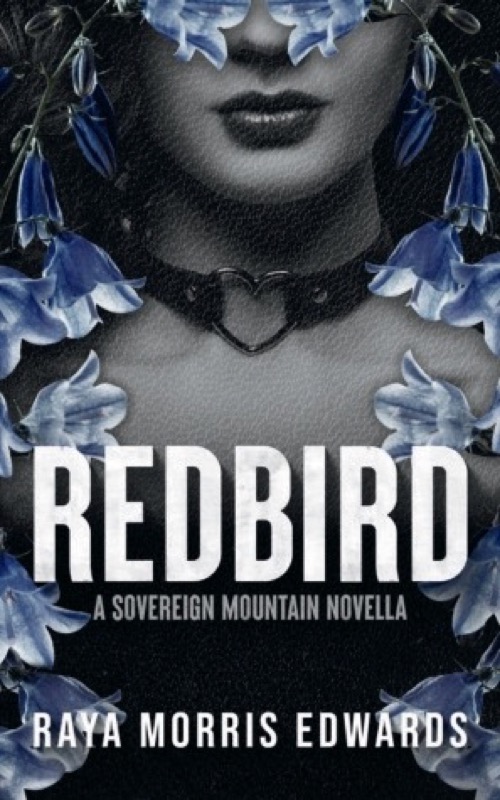
Redbird
A Sovereign Mountain Novella
Hook & thesis
In Redbird, Raya Morris Edwards crafts a haunting exploration of desire and power through the lens of captivity, where the heart is a battleground for obsession and submission. Verdict: This novella masterfully intertwines gothic romance and psychological tension, presenting a visceral meditation on the complexities of power dynamics that leave readers breathless.
The contextual pivot
Redbird occupies a curious niche within the captor-and-captive subgenre of dark romance, drawing on familiar tropes while infusing them with a distinctive gothic sensibility. Edwards stands apart from contemporaries by weaving rich, atmospheric prose that immerses the reader in a world where emotional landscapes are as treacherous as the physical confines of captivity. The novella invites an audience that is not merely interested in surface-level intrigue but seeks a deeper understanding of the human heart’s duality—its capacity for both love and destruction. In bridging niche themes of obsession and submission with broader emotional truths, Edwards opens the door for both genre enthusiasts and general readers alike to reflect on the nature of desire.
Deep-dive critique
The structure of Redbird is compellingly claustrophobic, reflecting the protagonist’s psychological entrapment. Edwards employs a close third-person point of view that allows readers to intimately experience the tension and conflict inherent in the protagonist’s captivity. This choice serves to heighten the sense of urgency and emotional stakes, effectively mirroring the internal struggle of the character. The pacing is deliberate, with moments of languid description that evoke the weight of time in captivity, juxtaposed with bursts of intense emotional clarity that propel the narrative forward.
Characterization shines in Edwards’ work; the protagonist is rendered with a complexity that invites empathy even in moments of darkness. The dialogue is sparse yet impactful, echoing the silence that often pervades captivity and underscoring the power imbalances at play. However, some readers may find the reliance on certain clichés within the genre—such as the omnipresent blindfold imagery—could risk undermining the narrative’s originality. Still, the resolution is striking and earned, as it deftly avoids the pitfalls of conventional endings, opting instead for a conclusion that resonates with the lingering unease of unresolved emotional truths.
Discussion launchpad
Redbird presents polarities that are ripe for discussion, particularly around the intricate dynamics between captor and captive. Is the portrayal of obsession a reflection of love or a dangerous fantasy? How does the story challenge our understanding of autonomy and consent within its gothic framework?
Questions for the room:
- In what ways does the novella’s structure amplify the themes of captivity and desire?
- How do the characters’ complexities challenge or reinforce traditional narratives within the dark romance genre?
- What are the implications of using blindfold imagery in the context of submission and power?
- Do you see the portrayal of obsession as a cautionary tale or a romantic ideal?
- How does Redbird compare to other works within the captor-and-captive subgenre in terms of emotional depth?
#TheOrchidRoom #Redbird #darkromance #gothic #literaryanalysis