
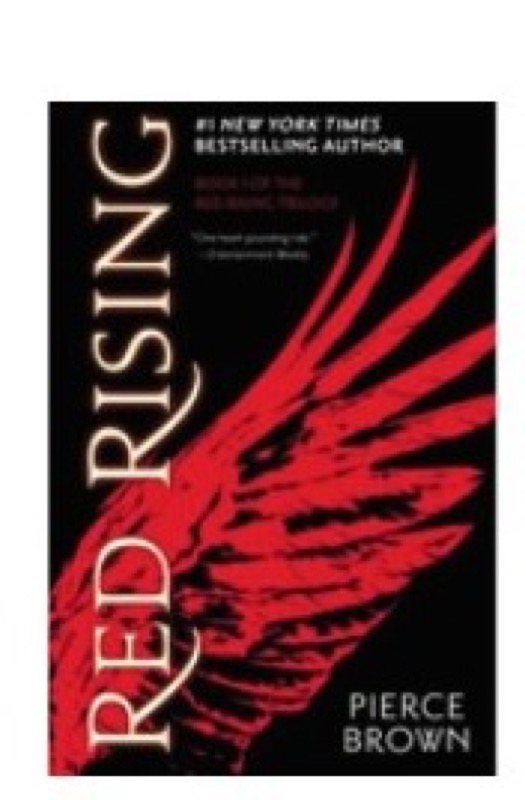
Red Rising
Book 1 of the Red Rising Trilogy
Hook & thesis
In Red Rising, Pierce Brown embarks on an ambitious exploration of class struggle and identity within a dystopian society, crafting a narrative that pulsates with raw ambition and ruthless desire. Verdict: This gripping tale of rebellion and sacrifice transcends its genre, achieving a haunting resonance that lingers long after the final page.
The contextual pivot
Red Rising positions itself within the heart of contemporary dystopian and fantasy-romance literature, drawing comparisons to the incisive societal critiques found in works like The Hunger Games by Suzanne Collins and the layered political intrigue of Game of Thrones by George R.R. Martin. Brown’s ability to blend visceral action with a poignant coming-of-age journey sets him apart from his contemporaries. The invisible audience here is both young adults yearning for thrilling escapism and older readers seeking depth within the genre, as Brown navigates complex themes that transcend typical tropes, allowing the narrative to bridge gaps between niche and mainstream appeal.
Deep-dive critique
Brown’s structure is a calculated dance, alternating between first-person and third-person perspectives, which serves to amplify the protagonist Darrow’s internal conflict while simultaneously broadening the narrative scope. This duality enhances the reader’s emotional investment in the character’s evolution—from a subjugated miner to a revolutionary figure. The pacing is relentless, mirroring Darrow’s escalating stakes, yet it occasionally sacrifices quieter moments that could deepen character relationships and motivations.
The prose is marked by a sharp, vivid style that evokes the brutality of the world while infusing moments of lyrical beauty, particularly in its descriptions of the oppressive, color-coded society Brown has created. However, at times, the dialogue can veer into archetypal territory, undermining the complexity of the characters, particularly in romantic interactions, which often feel rushed amidst the chaos. The thematic interplay of love and loyalty, ambition and betrayal is woven throughout, culminating in an ending that, while thrilling, invites some critique for its reliance on classic genre conventions rather than offering a wholly original resolution.
Discussion launchpad
Red Rising thrives on its polarities, igniting debates about the moral ambiguities of rebellion, the cost of ambition, and the nature of true love in a world beset by oppression.
Questions for the room:
- Does the romantic subplot enhance or distract from the central themes of rebellion and class struggle?
- How effective is Brown’s dual perspective in deepening our understanding of Darrow?
- In what ways does the novel challenge traditional gender roles within its dystopian setting?
- Are the stakes high enough to warrant the character decisions, or do they occasionally feel forced?
- How does the world-building affect our emotional connection to the characters and their plight?
#TheOrchidRoom #fantasyromance #darkromance #literaryanalysis #redrising