
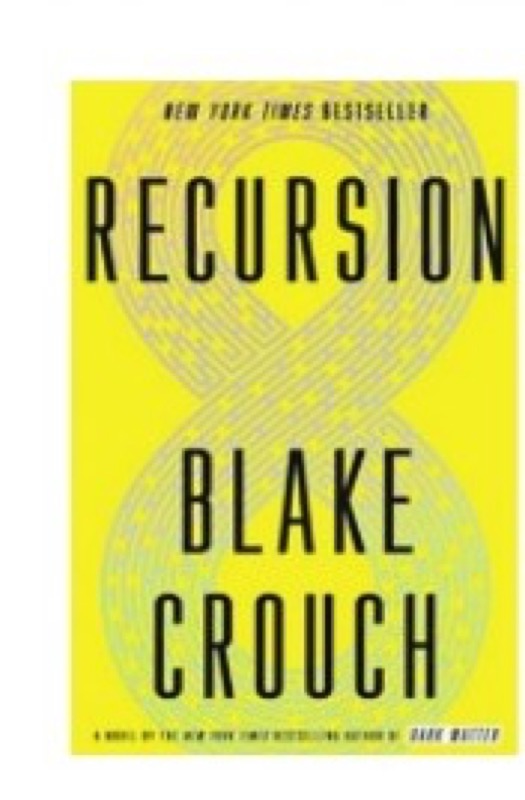
Recursion
Hook & thesis
In Recursion, Blake Crouch deftly navigates the treacherous waters of memory and identity, exposing the fragility of human existence. Verdict: The relentless pursuit of lost memories becomes a haunting nightmare that questions the very fabric of reality, leaving readers unsettled and introspective.
The contextual pivot
Positioned within the dark-thriller genre, Recursion intertwines elements of science fiction with psychological horror, reminiscent of works by Philip K. Dick and even a modern twist on the ideas explored by Stephen King. Crouch’s exploration of memory as a malleable construct not only serves to captivate genre aficionados but also invites general readers to grapple with universal themes of loss and self-discovery. His narrative bridges niche elements of speculative fiction with broader existential concerns, appealing to a diverse audience.
Deep-dive critique
Crouch’s structural choices significantly impact the novel’s thematic resonance. The alternating timelines and perspectives create a disorienting effect that mirrors the characters’ struggles with their own recollections. This pacing, while initially jarring, ultimately serves to enhance the reader’s immersion in the psychological turmoil experienced by the protagonists. The prose is both taut and lyrical, painting vivid images of a world where memory can be manipulated and memories themselves become the ultimate tormentors.
Characterization excels in the depiction of the central figures, particularly Barry and Helena, who embody the human cost of their experiments. Their motives are deeply rooted in personal loss, which adds layers to their actions and decisions. However, the dialogue occasionally falters, veering into exposition that detracts from the otherwise gripping narrative. As the climax unfolds, the resolution—though compelling—leaves a lingering sense of ambiguity that may frustrate some readers, yet it echoes the novel’s underlying themes of uncertainty and existential dread.
Discussion launchpad
Recursion challenges the boundaries of memory and reality, creating a fertile ground for discussion on its darker implications. The interplay of technology and humanity raises questions about the cost of progress and the ethics of manipulating memory.
- Questions for the room:
- Does Crouch successfully navigate the complexities of memory, or does he oversimplify the concept?
- How do the narrative structure and pacing enhance or detract from the overall impact of the story?
- In what ways does Recursion reflect contemporary anxieties about technology and identity?
- Can the emotional journey of the characters redeem the mechanical flaws of the story, or do they overshadow them?
- What lingering questions remain about the implications of memory manipulation on personal identity?
#LiteraryAnalysis #GothicEdge #darkthriller #romanticsuspense #TheOrchidRoom