
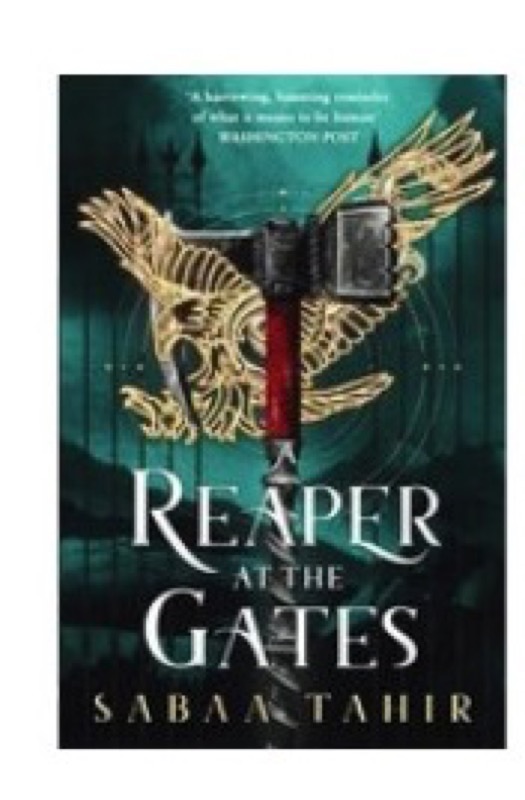
Reaper at the Gates
An Ember in the Ashes — Book Three
Hook & thesis
In Reaper at the Gates, Sabaa Tahir intensifies the stakes of her acclaimed series with a tale that explores the depths of desperation and the complexities of love against a backdrop of tyranny. Verdict: Tahir crafts a gripping narrative that marries the brutal realities of war with the raw intensity of human connection, leaving readers both enthralled and reflective.
The contextual pivot
This third installment in the Ember in the Ashes series sits squarely within the young adult fantasy-romance genre, interweaving themes of rebellion and survival while drawing on rich, gothic elements. Tahir’s work stands alongside authors like Leigh Bardugo and Sarah J. Maas, whose narratives similarly blend darkness with romance. While this book appeals to a devoted fanbase familiar with the series’ lore, it also bridges niche tropes, inviting readers less accustomed to fantasy to engage with its nuanced emotional landscapes and ethical dilemmas.
Deep-dive critique
Tahir’s structural choices elevate the narrative, employing multiple points of view that create a kaleidoscopic effect, enriching the reader’s experience. Each character’s internal conflict reflects the broader themes of oppression and the struggle for freedom, allowing for a deep exploration of their emotional landscapes. The pacing, marked by alternating perspectives, keeps the tension taut, although some sections feel like a deliberate drag, momentarily dulling the urgency of the narrative.
The prose showcases Tahir’s talent for vivid imagery and poignant dialogue, particularly in the way it captures the characters’ desires and fears. For instance, moments of intimate connection between the leads are juxtaposed against the horrors of their reality, reinforcing the notion that love exists amid chaos. However, the dialogue occasionally veers into melodrama, risking the authenticity of character voices.
World-building remains a strong suit, with Tahir vividly detailing the oppressive atmosphere of the Empire, enhanced by the sensory details that heighten the stakes. The ending, while climactic, can feel somewhat rushed, leaving certain character arcs unresolved and potentially frustrating for readers invested in their journeys.
Discussion launchpad
Tahir’s blend of romance and fantasy may polarize readers, especially those who expect a clear delineation between the two genres. The ethical implications of love forged in violence and the consequences of rebellion present rich ground for debate.
Questions for the room:
- How effectively do you think the multiple POV structure enhances or detracts from the emotional weight of the story?
- In what ways does the portrayal of love amid violence challenge or reinforce traditional romantic tropes?
- Does the ending satisfactorily resolve the character arcs, or does it leave too much open-ended?
- How do the content warnings influence your reading experience and interpretation of the characters’ choices?
- Can we separate the romantic elements from the backdrop of war, or are they inextricably linked in this narrative?
#TheOrchidRoom #fantasyromance #romantasy #darkromance #epicfantasy