
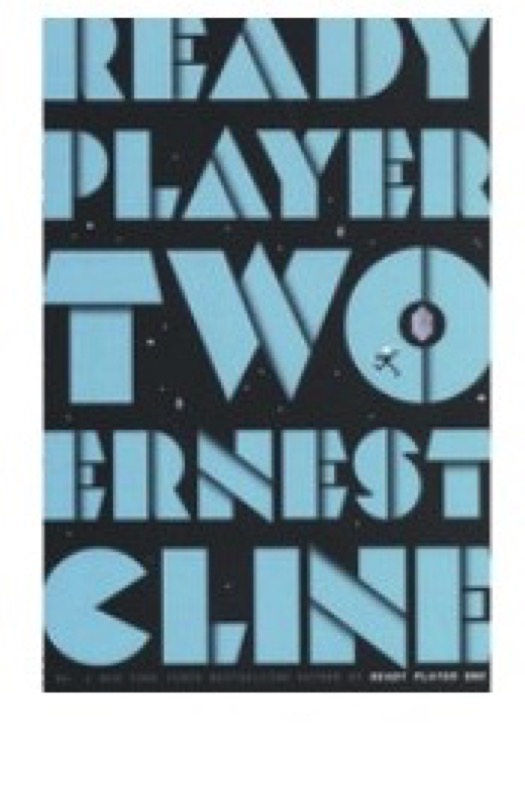
Ready Player Two
Hook & thesis
In Ready Player Two, Ernest Cline reintroduces us to a virtual universe suffused with nostalgia, but beneath its playful surface lies a haunting exploration of identity and connection in an increasingly fractured reality. Verdict: Cline deftly combines the allure of escapism with the darker implications of dependency and isolation, crafting a narrative that resonates disturbingly in our digital age.
The contextual pivot
As a sequel to the massively popular Ready Player One, this novel stands at the intersection of fantasy and romance, heavily laced with elements of dystopian fiction. Cline’s work, while rooted in pop culture references, expands into deeper emotional terrains, inviting readers who may typically shy away from genre fiction. Positioned alongside other works that explore virtual realities—such as Ernest Cline’s earlier work or even the philosophical underpinnings of Neuromancer—Ready Player Two grapples with the existential dilemmas of its characters, resonating with both devoted fans and newcomers to the genre.
Deep-dive critique
Cline’s structure in Ready Player Two is ambitious, employing a dual narrative that oscillates between the thrilling escapades in the OASIS and the poignant realities of its characters. While this approach effectively heightens tension, it occasionally falters, leading to pacing issues that dilute emotional resonance. The prose itself is laced with a conversational tone, drawing readers into its world, yet it sometimes sacrifices depth for accessibility. Dialogue, particularly between the protagonist and the supporting cast, often feels overly simplistic, which can hinder the stakes of their relationships.
Thematically, the novel tackles significant issues such as the nature of love in a virtual context, the ethics of technology, and the quest for self-identity. However, the execution can feel muddled, with certain character arcs lacking the necessary depth to fully engage the reader’s empathy. The ending, while attempting to reflect on the character’s journey, may leave some feeling unfulfilled, as it teeters on the edge of cliché rather than providing a truly earned resolution.
Discussion launchpad
Cline’s work polarizes readers who either embrace his nostalgic lens or critique it as a crutch that distracts from meaningful storytelling. The tension between the allure of virtual reality and the starkness of physical existence remains unresolved, prompting deeper inquiry into our relationships with technology.
Questions for the room:
- How does Cline’s reliance on nostalgia enhance or detract from the narrative’s emotional impact?
- In what ways does the exploration of love in a virtual realm challenge traditional romantic tropes?
- Do you find the character development sufficient to support the themes presented, or does it fall short?
- How effectively does the book balance escapism with the darker realities of technology?
- What is the significance of the ending, and does it provide a satisfactory conclusion to the overarching themes?
#TheOrchidRoom #fantasyromance #darkromance #sci-fi #literaryanalysis