
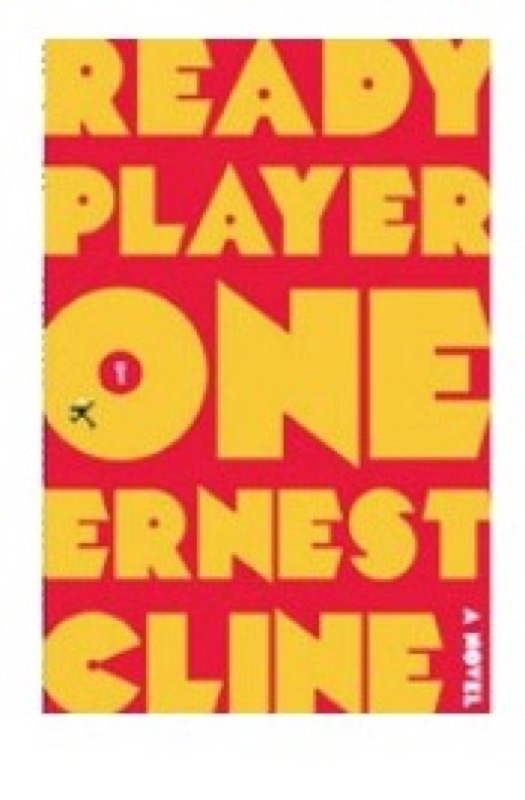
Ready Player One
Hook & thesis
In Ready Player One, Ernest Cline crafts a vivid tapestry of nostalgia and escapism, revealing how our obsessions with virtual realities can both liberate and imprison us. Verdict: Cline’s work is a cautionary tale masked as a love letter to the past, deftly exposing the vulnerabilities of human connection in the digital age.
The contextual pivot
As a prominent entry in the fantasy-romance genre, Cline’s novel intertwines elements of dystopian science fiction with a distinct romantic arc, positioning itself alongside titles like Snow Crash by Neal Stephenson and The Peripheral by William Gibson. The narrative invites both genre enthusiasts and a broader audience, marrying niche gaming culture with universal themes of love and identity. It reflects the author’s penchant for blending nostalgia with futuristic anxieties, calling to mind the works of Ready Player One’s contemporaries while daring to make its own mark on the cultural landscape.
Deep-dive critique
Cline’s structure, a dual narrative that oscillates between the stark realities of a dystopian world and the vibrant escapism of the OASIS, serves as a compelling framework for exploring deeper themes of connection and isolation. The pacing, particularly in its climactic moments, uses a rapid-fire dialogue that mirrors the frenetic energy of gaming, yet at times falters when the emotional stakes feel overshadowed by elaborate pop culture references.
Characterization, notably in the protagonist Wade Watts, shines through as he grapples with both internal and external conflicts. However, secondary characters often feel like ciphers, mere vessels for the plot rather than fully fleshed-out beings, which detracts from the potential richness of Wade’s journey. The dialogue often crackles with humor, yet it can slide into cliché, undermining the narrative’s emotional depth. The thematic exploration of longing — both for a physical connection and a nostalgic past — resonates powerfully, but the resolution feels somewhat rushed, leaving an impression of unearned catharsis at the story’s conclusion.
Discussion launchpad
Cline’s Ready Player One is not without its polarizing elements, particularly in how it navigates the balance between homage and originality. Some readers may revel in the nostalgic references, while others could argue they dilute the narrative’s impact.
Questions for the room:
- Does the heavy reliance on 80s pop culture enhance or hinder the story’s relevance to contemporary readers?
- In what ways does the romantic subplot contribute to or detract from the main thematic concerns?
- How effectively does Cline portray the consequences of living in a fully immersive virtual reality?
- Are the characters fully realized, or do they serve merely as archetypes?
- What are the implications of Cline’s vision of the future for human relationships in a digital age?
#TheOrchidRoom #fantasyromance #romantasy #darkromance #sci-fi #literaryanalysis #darkheartlabs