
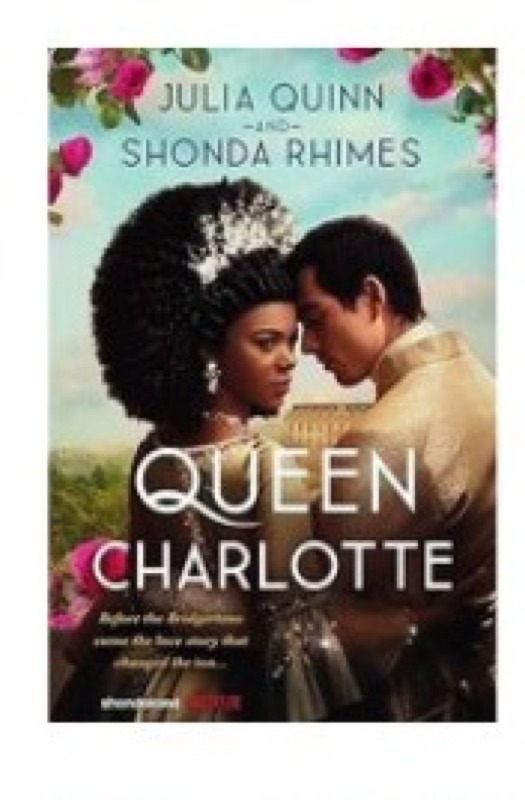
Queen Charlotte
Before the Bridgertons came the love story that changed the ton...
Hook & thesis
In “Queen Charlotte,” Julia Quinn and Shonda Rhimes weave a lush narrative that serves as both a prequel to the beloved Bridgerton series and a standalone exploration of love in the face of societal constraints. Verdict: This book brilliantly captures the intricacies of passion and power, making it a compelling entry that deepens our understanding of its titular character while subverting expectations of romance.
The contextual pivot
Nestled within the fantasy-romance genre, “Queen Charlotte” cleverly bridges historical fiction and modern sensibilities, an increasingly popular trend within contemporary narratives. Quinn, known for her mastery of witty dialogue and engaging characters, collaborates with Rhimes, whose flair for dramatic storytelling brings a fresh intensity to the tone. This novel appeals not only to dedicated fans of the Bridgerton universe but also to general readers who appreciate nuanced character development and historical context, effectively eliminating the barriers between niche tropes and a broader audience. The themes of race and class are interwoven with romance, offering a rich tapestry that challenges and entertains.
Deep-dive critique
The book’s structure oscillates between past and present, expertly building upon Charlotte’s character arc while exploring the complexities of her marriage to King George III. This dual timeline serves to enrich the narrative, allowing readers to engage with the emotional weight of Charlotte’s circumstances as she navigates a world rife with expectations and prejudices. The pacing, however, occasionally falters; moments of tension are sometimes resolved too quickly, leaving readers yearning for more exploration of character motivations and emotional landscapes.
Quinn and Rhimes excel in their character development, painting Charlotte not merely as a monarch but as a woman grappling with her identity and desires. The dialogue sparkles with clever repartee that feels authentic to the period, while also resonating with modern readers. However, the world-building can feel uneven; while the opulence of the ton is vividly illustrated, the societal challenges—specifically the overt racism present—could have been more deeply examined.
The ending, while satisfying in its romantic resolution, risks wrapping up too neatly for a story steeped in real historical complexities. The contrast between personal happiness and public duty is a recurring theme, yet it leaves some threads of tension unresolved, which may polarize readers.
Discussion launchpad
This novel offers fertile ground for debate, particularly in its portrayal of race and societal norms. The juxtaposition of historical authenticity with romantic idealism can lead to divergent interpretations among readers.
Questions for the room:
- How effectively does the book balance historical realities with romantic fantasy?
- In what ways does Charlotte’s experience reflect contemporary issues of race and gender?
- Does the narrative’s resolution undermine or enhance the complexity of the characters’ struggles?
- How do Quinn and Rhimes’ stylistic choices influence your engagement with the story?
- What does this novel suggest about the nature of power in romance, especially for marginalized figures?
#TheOrchidRoom #fantasyromance #bridgerton #darkromance #literaryanalysis