
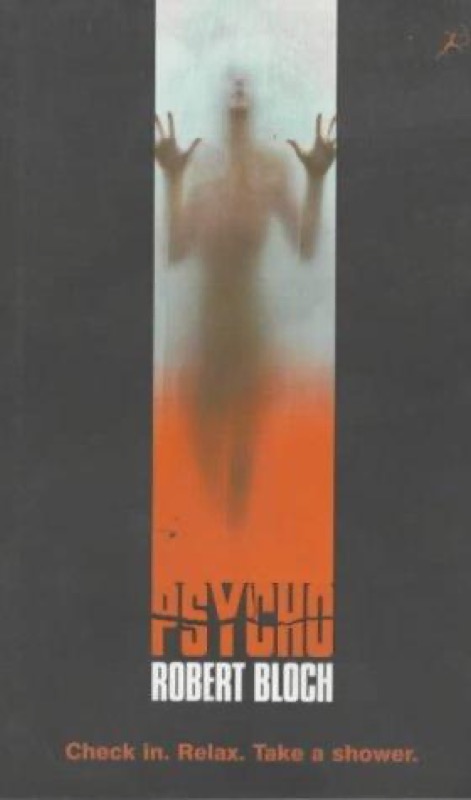
Psycho (Psycho, #1)
Psycho Series
Hook & thesis
In Robert Bloch’s “Psycho,” the chilling interplay between identity and desire unfolds with haunting precision, revealing the grotesque depths of the human psyche. Verdict: Bloch’s masterful manipulation of suspense and psychological horror not only captivates but also disturbs, challenging readers to confront their own fears of the unknown.
The contextual pivot
Grounded firmly in the gothic-horror-romance tradition, “Psycho” establishes itself as a cornerstone of psychological thrillers, resonating with the themes of fragmented identity and repressed desire. Bloch, often overshadowed by his cinematic adaptations, crafts a narrative that both honors the conventions of gothic literature while pushing boundaries into unsettling psychological realms. This novel speaks to an audience that craves the macabre, bridging niche tropes with a broader exploration of morality and sanity, reminiscent of Shirley Jackson’s unsettling atmospheres and the nuanced character studies of Patricia Highsmith.
Deep-dive critique
Bloch’s brilliance lies in his intricate structure, oscillating between perspectives to build an unsettling tension that is both palpable and suffocating. The pacing, particularly in the first half, is meticulously crafted to draw the reader into the labyrinth of Norman Bates’s mind, where the horror is as much about psychological trauma as it is about violence. The use of a close third-person point of view engenders a sense of claustrophobia—readers are trapped within Bates’s psyche, experiencing his desires and fears intimately.
While Bloch’s prose is often crisp and evocative, it occasionally falters under the weight of exposition, and some character motivations could benefit from deeper exploration. For instance, Marion Crane’s arc, while central, feels somewhat rushed, raising questions about her emotional depth. Yet, the dialogue sparkles with tension, particularly in Bates’s interactions, revealing his fractured self and the delicate balance between charm and monstrosity.
The climactic ending, steeped in tragic irony, is both earned and shocking, leaving readers grappling with the implications of identity and morality. The final reveal serves not merely as a twist but as an invitation to ponder the darker corners of the human experience, reinforcing the novel’s thematic core.
Discussion launchpad
“Psycho” ignites passionate debates around the nature of horror and the ethics of characterization, particularly in its portrayal of mental illness. The novel’s ability to elicit empathy for its monstrous protagonist raises fundamental questions about the boundaries of morality and the roots of evil.
Questions for the room:
- Does Bloch succeed in evoking sympathy for Norman Bates, or does the portrayal perpetuate harmful stereotypes about mental illness?
- How does the novel’s psychological tension compare to contemporary horror narratives?
- In what ways does Bloch’s exploration of desire complicate the reader’s understanding of the character’s actions?
- How does the gothic element enhance or detract from the psychological aspects of the story?
- What does the novel suggest about the duality of human nature and the masks we wear?
#TheOrchidRoom #gothic #horrorromance #psychologicalthriller #darkheartlabs