
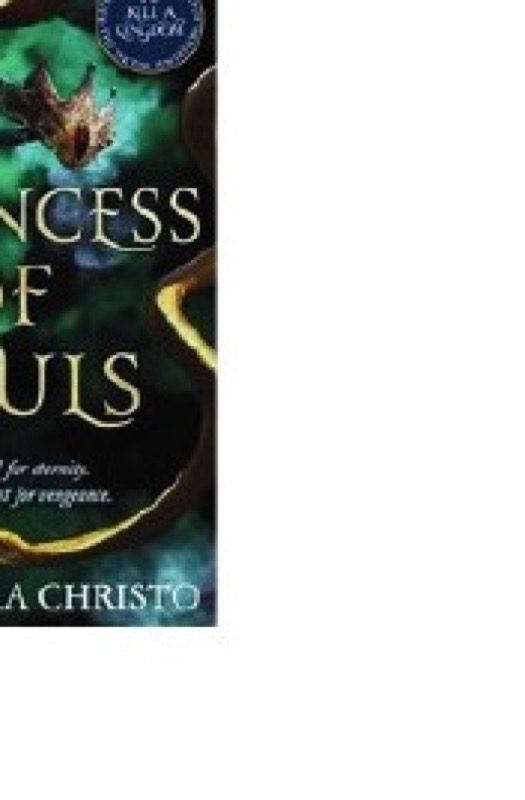
Princess of Souls
Bound for eternity. Born for vengeance.
Hook & thesis
In Princess of Souls, Alexandra Christo crafts a tale steeped in vengeance and the intoxicating lure of power, exploring the delicate dance between duty and desire amidst a backdrop of curses and dark magic. Verdict: This novel expertly entwines gothic romance with a narrative that interrogates the very nature of autonomy and sacrifice, leaving readers both enchanted and unsettled.
The contextual pivot
Situated within the fantasy-romance genre, Christo’s work deftly straddles the line between young adult allure and darker thematic elements typical of more mature narratives. Her exploration of curses and the supernatural taps into a vein similar to authors like Sarah J. Maas and L.J. Smith, but with a unique focus on the emotional ramifications of power dynamics and vengeance. The invisible audience here straddles the line between dedicated genre fans and newcomers; while seasoned readers may expect the familiar tropes of magic and romance, Christo’s layered approach invites a broader readership to ponder the moral complexities of her characters’ choices.
Deep-dive critique
Christo employs a dual perspective that serves to heighten the tension between her protagonists, creating an intricate web of intertwined fates. The pacing is well-structured, with each chapter revealing fragments of backstory that deepen the reader’s understanding of the characters’ motivations and desires. However, while the duality of perspectives is often effective, there are moments where it feels overextended, risking reader fatigue as the narrative oscillates between the two main characters.
The prose shines with vivid imagery and sensory detail, anchoring the reader in a world where magic feels both alluring and treacherous. Dialogue flows naturally, capturing the nuances of teenage angst and the weight of impending doom. Yet, moments of emotional revelation occasionally skirt the surface, hinting at deeper themes without fully diving into them—this leaves a yearning for greater exploration of the characters’ internal struggles.
The thematic arc, centered on vengeance versus self-sacrifice, is mirrored beautifully in the characters’ development. However, the resolution, while satisfying in its way, may not feel entirely earned due to the rapid pacing in the final act, which glosses over the emotional fallout of the climactic events. This creates a lingering impression that the profound emotional stakes could have been explored further.
Discussion launchpad
The interplay between desire and the moral implications of vengeance is a rich ground for debate. Questions for the room:
- Does the dual perspective enhance or dilute the emotional impact of the narrative?
- How effectively does Christo balance the romance elements with the darker themes of vengeance and autonomy?
- What does the ending suggest about the nature of sacrifice in the quest for power?
- Are the characters’ motivations relatable, or do they feel too steeped in the fantasy genre’s conventions?
- In what ways does the exploration of curses resonate with contemporary societal issues?
#TheOrchidRoom #fantasyromance #darkromance #witches #curse