
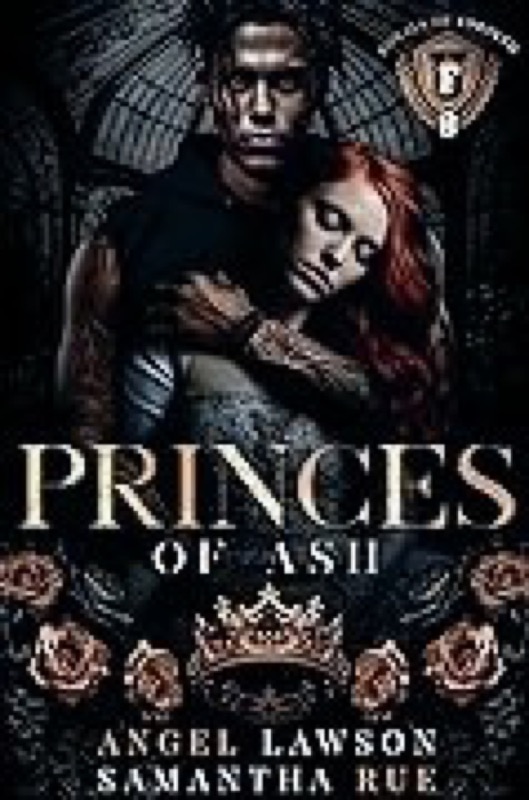
Princes of Ash
Boys of Forbes
Hook & thesis
Princes of Ash by Angel Lawson & Samantha Rue is a provocative exploration of desire obscured by the shadows of bullying and obsession. Verdict: This novel thrives on the jagged edges of its characters’ motivations, manipulating a darkly intoxicating narrative that ensnares readers in its tumultuous embrace.
The contextual pivot
Nestled squarely within the bully-romance genre, Princes of Ash bridges the gap between niche storytelling and broader audience appeal. While many bully romances revel in the adversarial dynamics of attraction, Lawson and Rue elevate their narrative by intertwining themes of power imbalance and psychological entrapment, reminiscent of authors like Penelope Douglas and K.A. Tucker. The book caters to readers familiar with dark romance conventions while expertly inviting those new to the genre to engage with its complex emotional terrain. The invisible audience is drawn in by the allure of danger and the intricate dance between vulnerability and dominance.
Deep-dive critique
The structure of Princes of Ash is a careful balancing act, utilizing a dual POV that allows readers to navigate the tumultuous inner worlds of both protagonists. This choice not only deepens character development but also heightens the tension inherent in their relationship. The pacing is relentless, mirroring the emotional turmoil that clouds their interactions; however, at times it borders on overwhelming, leaving little room for quieter moments that could enhance character reflection.
The prose is unapologetically raw, echoing the intensity of the characters’ experiences, yet it occasionally slips into melodrama, which can distract from the otherwise compelling narrative drive. The dialogue is sharp and laden with subtext, effectively illustrating the power dynamics at play. However, the reliance on tropes—particularly the ‘bad boy’ archetype—could alienate readers seeking more complexity in character motivations.
Thematic exploration of obsession is pervasive, with the authors skillfully crafting a world where love and violence are disturbingly intertwined. Yet, the ending, while charged with emotional stakes, may feel unearned for some, as it skirts the deeper consequences of the characters’ tumultuous journey, leaving a slight sense of ambiguity in its resolution.
Discussion launchpad
The intricacies of desire and power in Princes of Ash provoke rich discussion, particularly around the ethics of its romanticization of bullying and obsession.
- How do love and violence coexist within the narrative, and what does this say about the nature of attraction?
- Are the characters sufficiently nuanced to warrant empathy, or do they fall into predictable archetypes?
- What is the impact of dual POV on our understanding of moral ambiguity in relationships?
- How does the novel challenge or reinforce societal perceptions of power dynamics in romance?
Questions for the room:
- Does the portrayal of obsession provide insight or perpetuate harmful stereotypes?
- To what extent do we hold authors accountable for the themes they explore?
- Is the ending a true resolution, or does it reflect a failure to confront the consequences of the protagonists’ actions?
#TheOrchidRoom #bullyromance #darkromance #PrincesOfAsh #literaryanalysis