
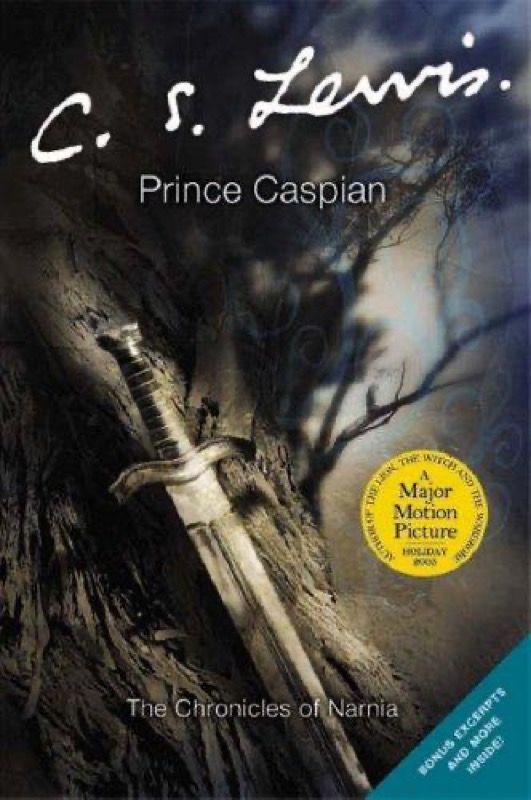
Prince Caspian (Chronicles of Narnia, #2)
Chronicles of Narnia Series
Hook & thesis
C.S. Lewis’s Prince Caspian delves into the tension between nostalgia and the harsh realities of growing up, ensconcing its characters in a world where childhood innocence collides with the complexities of adulthood. Verdict: This tale serves as both a whimsical adventure and a poignant reminder that the essence of courage often stems from embracing one’s heritage, even amidst the chaos of change.
The contextual pivot
Nestled within the fantastical landscape of children’s literature, Prince Caspian stands as a bridge between the wonder of youthful imagination and the sobering lessons of maturity. As the second book in the Chronicles of Narnia series, it juxtaposes the innocence of the Pevensies with the darker layers of a kingdom in peril. Lewis’s narrative is a thoughtful exploration of the classic fantasy genre, drawing parallels to mythic quests found in the works of J.R.R. Tolkien, while also appealing to a broader audience that appreciates tales of heroism and self-discovery. The invisible audience encompasses both children seeking adventure and adults reflecting on the bittersweet nature of growth.
Deep-dive critique
The structure of Prince Caspian is pivotal in conveying its themes. Lewis employs a third-person omniscient point of view that allows for a rich exploration of both the Pevensies’ internal struggles and the external conflicts faced by Caspian. The pacing, while at times meandering, builds tension effectively as the stakes rise for Narnia’s inhabitants. In moments of dialogue, Lewis’s craftsmanship shines, especially through the character of Caspian, whose earnestness and vulnerability resonate deeply with the reader. The juxtaposition of the familiar childhood world of Narnia with the darker, more oppressive atmosphere of an occupied kingdom illustrates the duality of nostalgia and the loss of innocence. However, the narrative occasionally falters in its pacing; some passages feel overly didactic, risking the immersion of the reader in favor of moral exposition.
The thematic success lies in its portrayal of identity and growth. The Pevensies must reconcile their past with their present selves, embodying the universal struggle of transitioning from childhood to adulthood. The ending, which sees Caspian ascend to the throne, is a culmination of this journey towards self-actualization and the reclaiming of one’s heritage — a fitting resolution that feels earned despite the challenges faced along the way.
Discussion launchpad
While Prince Caspian presents an enchanting narrative, it also raises questions about the nature of heroism and the implications of nostalgia. The contrast between the characters’ memories of a golden age and the harsh realities they face can polarize interpretations of the text.
Questions for the room:
- Does the nostalgia for childhood in Prince Caspian romanticize a simpler past, or does it serve as a critique of the inevitability of change?
- How does Lewis’s use of dialogue reflect the characters’ growth and their struggle with identity?
- In what ways does the book balance adventure with moral lessons, and does this balance enhance or detract from the narrative?
- Can Prince Caspian be appreciated solely as a children’s story, or does its deeper commentary resonate with adult readers as well?
- How do the themes of legacy and heritage manifest through Caspian and the Pevensies’ journey?
#TheOrchidRoom #fantasyromance #darkromance #children’sliterature #literaryanalysis