
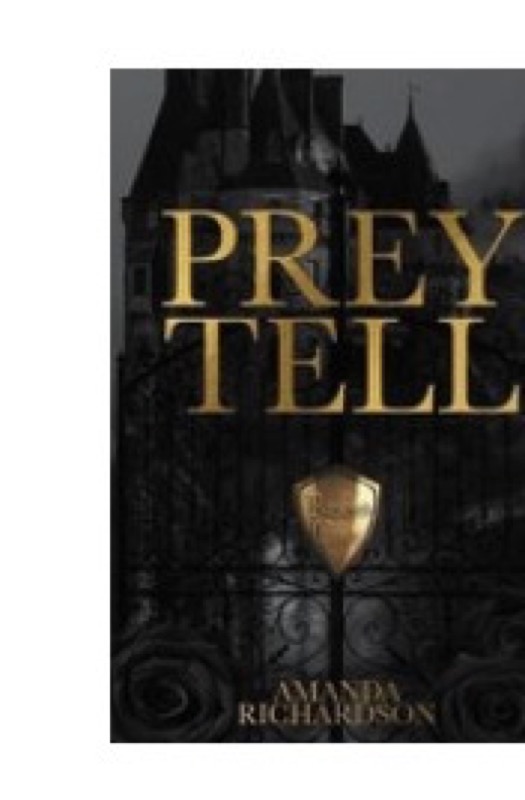
Prey Tell
Hook & thesis
In Prey Tell, Amanda Richardson deftly intertwines gothic horror with the throes of dark romance, crafting a narrative that probes the depths of human desire and the shadows it casts. Verdict: This book masterfully exploits the tension between predator and prey, offering a haunting exploration of love that thrives in darkness.
The contextual pivot
Positioned within the gothic-horror-romance genre, Prey Tell echoes the atmospheric richness of authors like Shirley Jackson and the psychological intensity of Anna Kavan. Richardson’s work stands as a bridge between niche gothic tropes and a broader audience, effectively luring in readers who may typically shy away from the darker elements of romance. By employing motifs of captivity and predation, she not only engages with traditional gothic storytelling but also invites contemplation on power dynamics in relationships, appealing to a contemporary readership eager for complexity in their romances.
Deep-dive critique
Richardson excels at creating an unsettling atmosphere, her prose lush with vivid imagery that invites readers to linger in the shadows. The structure oscillates between present tension and haunting flashbacks, mirroring the characters’ psychological turmoil. This pacing, while sometimes disorienting, heightens the sense of claustrophobia and urgency in the narrative. The choice to employ a close third-person point of view allows for an intimate exploration of the protagonist’s psyche, drawing readers into her conflicting desires and fears.
The dialogue is sharp, layered with subtext that reveals the characters’ motivations and hidden agendas, particularly in their interactions laden with duality. However, at times, the dialogue can veer toward melodrama, risking believability in emotional exchanges. Richardson’s world-building is commendable, with the castle setting serving as a character in its own right, embodying the tension of safety and entrapment. Yet, the resolution, while thematically resonant, might feel rushed for some, leaving questions about character growth and the sustainability of the relationship.
Discussion launchpad
Richardson’s exploration of predator-prey dynamics and themes of captivity will undoubtedly provoke diverse reactions. The morality of the characters’ choices, set against a backdrop of desire and danger, raises compelling questions about the nature of love and freedom.
Questions for the room:
- How do you interpret the power dynamics between the protagonist and their love interest?
- Does the gothic setting enhance or detract from the story’s emotional impact?
- In what ways does the novel challenge or reinforce traditional views of romantic relationships?
- How did the pacing affect your emotional engagement with the characters?
- Would you consider the ending satisfying, or did it leave too many unanswered questions?
#TheOrchidRoom #gothic #horrorromance #darkromance #predatorprey