
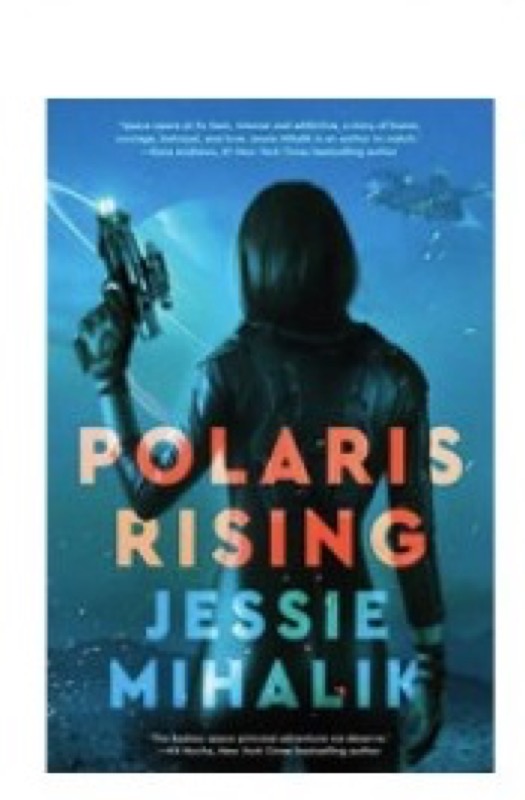
Polaris Rising
Hook & thesis
In Polaris Rising, Jessie Mihalik crafts a gripping space opera that intertwines themes of power, loyalty, and self-discovery within a high-stakes romantic adventure. Verdict: Mihalik’s deft handling of tension and character agency makes this novel a standout in its genre, inviting readers to navigate the disturbing intersections of desire and betrayal.
The contextual pivot
Polaris Rising occupies a unique niche within contemporary fantasy-romance, drawing on the vastness of space opera while weaving in emotional depth reminiscent of authors like Anne McCaffrey and the romantic tension found in the works of Ilona Andrews. Mihalik bridges niche tropes—such as the badass heroine and the trope of captivity—with a broader audience appeal, creating a narrative that resonates with readers who enjoy both action-packed plots and emotional stakes. This book, while rooted in genre conventions, challenges its readers to confront the complexity of relationships forged in chaos.
Deep-dive critique
Mihalik’s narrative structure deftly intertwines multiple points of view, primarily focusing on the protagonist, Ada, whose evolution from a woman in captivity to a powerful player in a galactic conflict is both compelling and relatable. The pacing of the novel is particularly effective; it builds tension through rapid transitions between action sequences and intimate moments of vulnerability, allowing for a balanced exploration of character motivation. The dialogue is sharp and witty, enhancing the chemistry between Ada and her love interest, while also serving to establish the diverse cast’s personalities.
However, the book’s reliance on familiar tropes sometimes dilutes the impact of its thematic exploration. For instance, while the theme of betrayal is potent, the resolution may feel somewhat predictable to seasoned readers of the genre. Yet, Mihalik’s world-building shines, with a richly imagined universe that lingers in the mind long after the last page is turned; the political machinations and societal structures add layers to the conflict, grounding the characters’ personal dramas in a larger cosmic struggle. Ultimately, the ending is both satisfying and earned, as it aligns with Ada’s character arc and her journey toward empowerment.
Discussion launchpad
Polaris Rising invites lively conversation around its exploration of power dynamics, particularly in the context of romantic relationships. The tension between autonomy and captivity raises questions about agency in love and warfare, making it a fertile ground for debate.
Questions for the room:
- How does Mihalik’s portrayal of Ada challenge or conform to traditional representations of female protagonists in fantasy-romance?
- In what ways do the themes of betrayal and loyalty resonate with contemporary societal issues, particularly regarding relationships?
- Does the book undermine its own tension through predictable plot developments, or does it successfully navigate these tropes?
- How does the setting of a galactic conflict enhance or detract from the romantic elements of the story?
- What are the implications of the book’s ending for the narrative of female empowerment?
#TheOrchidRoom #fantasyromance #romantasy #darkromance #spaceopera