
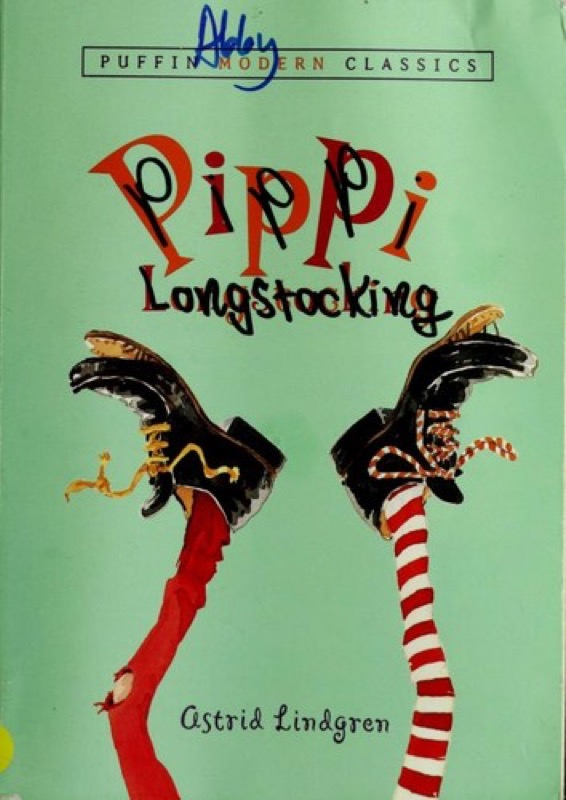
Pippi Longstocking (Pippi Långstrump, #1)
Pippi Longstocking Series
Hook & thesis
In Pippi Longstocking, Astrid Lindgren crafts a whimsical yet profoundly subversive narrative that challenges societal norms through the lens of childhood. Verdict: This book is a vivid exploration of freedom and individuality cloaked in the playful antics of its unforgettable protagonist.
The contextual pivot
Positioned within children’s literature, Pippi Longstocking defies conventional categorizations by infusing elements of gothic whimsy and adventure. Lindgren’s work stands apart from her contemporaries, like Enid Blyton, by presenting a heroine who not only rejects authority but lives outside the confines of societal expectations. The narrative serves not just young readers but also resonates with adults who find themselves longing for a return to innocence and unrestrained joy. The book bridges the niche of radical childhood freedom with a broader audience yearning for escapism, making it a timeless classic.
Deep-dive critique
Lindgren’s structure, with its episodic chapters, reflects the chaotic and vibrant nature of Pippi’s world. This pacing, reminiscent of a child’s attention span, captures the essence of adventure without the burden of a linear plot. The third-person omniscient point of view allows readers to feel both the omnipresence of Pippi’s charm and the social critique embedded within her antics. Lindgren’s prose dances with a playful rhythm, employing vivid imagery and clever dialogue that not only entertain but also challenge the reader’s perception of authority and conformity.
Characterization excels in Pippi’s contrasting relationships with her friends, Tommy and Annika, who embody the societal norms she eschews. Their interactions provide a foil to Pippi’s wild spirit, effectively showcasing the tension between freedom and societal expectation. However, the lack of explicit conflict resolution may leave some readers yearning for a more traditional narrative closure — an intentional choice that invites deeper reflection on the nature of childhood and freedom. The ending, while whimsical, encapsulates the enduring spirit of Pippi’s independence, leaving readers with a sense of possibility rather than finality.
Discussion launchpad
Pippi Longstocking invites readers to grapple with the complexities of freedom versus conformity, raising polarizing questions about the implications of such radical independence in a child’s world.
Questions for the room:
- How does Pippi’s rejection of authority resonate with contemporary societal themes?
- In what ways does the book challenge traditional gender roles, and does it succeed?
- Can we draw parallels between Pippi’s adventures and modern notions of childhood autonomy?
- What might the narrative suggest about the responsibilities that accompany freedom?
- Is the whimsical tone a distraction from deeper societal critiques, or does it enhance them?
#TheOrchidRoom #gothic #horrorromance #children’sliterature #darkheartlabs