
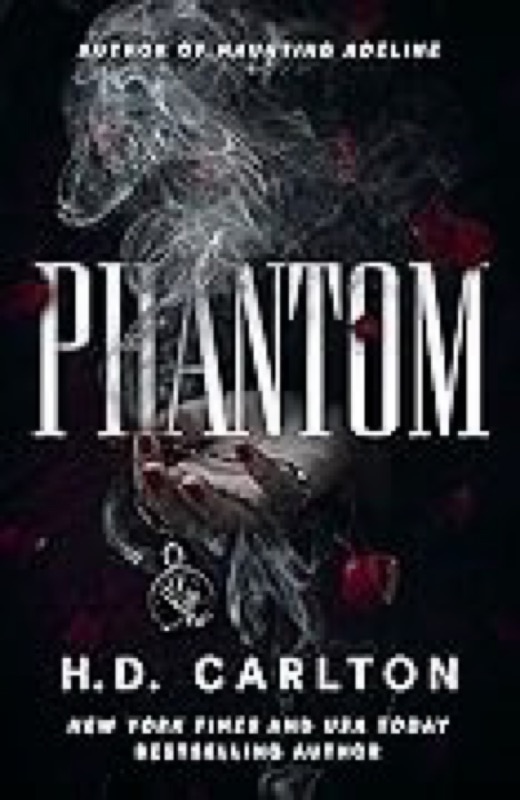
Phantom
Author of Haunting Adeline
Hook & thesis
In H.D. Carlton’s Phantom, the exploration of obsession transcends the mere mechanics of a stalker narrative, delving into the labyrinth of human desire and the darkness it can breed. Verdict: This book is a seductive dance on the edge of sanity, compelling readers to confront the intoxicating allure of love twisted by fixation.
The contextual pivot
Phantom occupies a nuanced space within the stalker-obsession genre, standing alongside works by authors like Tarryn Fisher and Anna Zaires, who similarly navigate the treacherous waters of desire and psychological turmoil. Carlton’s previous work, Haunting Adeline, hints at her consistent thematic preoccupations: the dark corners of love and the fine line between passion and peril. The book appeals to an audience that craves the tension inherent in gothic romance while also reaching out to those unfamiliar with the genre, effectively bridging niche tropes with broader themes of vulnerability and human frailty.
Deep-dive critique
The narrative structure of Phantom is carefully crafted, weaving a dual perspective that enhances the tension between the characters’ desires and fears. The pacing oscillates between moments of breathless urgency and haunting stillness, mirroring the protagonist’s spiraling descent into obsession. Carlton’s prose is both lyrical and unsettling, often employing vivid imagery that resonates with the novel’s themes—roses entwined with smoke symbolize both beauty and danger, weaving an intricate tapestry of longing and dread.
Character development is a standout feature, as Carlton deftly paints the complexities of her protagonists. The dialogue crackles with subtext, each exchange layered with unspoken motives and suppressed emotions, effectively illuminating the psychological landscape in which they operate. However, the intensity of the narrative occasionally risks overwhelming the reader, particularly in scenes laden with violence and psychological suspense—whether this serves to deepen the connection or alienate the audience may vary from reader to reader. The ending, while striking, raises questions about the characters’ arcs—does it truly reflect the culmination of their journeys, or does it leave too much unresolved?
Discussion launchpad
The juxtaposition of love and obsession presents a fertile ground for debate, particularly in how it reflects on the nature of desire and the boundaries we tread in pursuit of connection. The moral ambiguity surrounding the characters’ choices invites scrutiny—can love justify the darker impulses of humanity?
Questions for the room:
- How does Carlton’s portrayal of obsession challenge or reinforce societal views on relationships?
- In what ways does the dual perspective enhance or detract from the overall impact of the story?
- Do you feel the ending provides closure or leaves too many questions unanswered?
- How does the use of gothic elements shape your understanding of the characters’ motivations?
- What are the implications of blending beauty with violence in the narrative, and how does that affect your reading experience?
#TheOrchidRoom #stalker #darkromance #gothic #literaryanalysis