
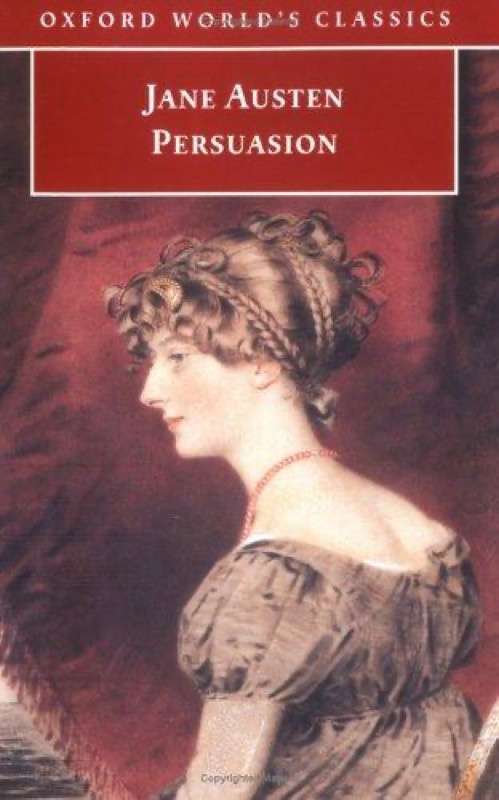
Persuasion
Hook & thesis
Jane Austen’s Persuasion delves into the haunting echoes of lost love and regret, showcasing the intricate dance of societal expectations and personal desires. Verdict: This novel masterfully intertwines the gothic elements of longing and melancholy within a romance framework, revealing how the heart is often at odds with the mind.
The contextual pivot
Persuasion occupies a unique space in Austen’s oeuvre, marking her last completed work, where the stakes feel particularly grave and the characters more burdened by the passage of time. Unlike her earlier novels filled with youthful naïveté, it reflects a more mature exploration of relationships and the impact of past choices. In the broader landscape of gothic romance, it resonates with the psychological tension found in works by the Brontë sisters, where love becomes a labyrinthine challenge, fraught with emotional peril. Austen’s ability to bridge niche tropes to appeal to general readers lies in her keen observations of human nature, making Persuasion both intimate and universally relatable.
Deep-dive critique
The structure of Persuasion is meticulously crafted, utilizing a third-person limited perspective that allows for deep introspection into Anne Elliot’s character. This choice enhances the emotional gravity of her situation—a woman torn between societal obligations and profound personal desire. Austen’s pacing is deliberate, almost languorous, mirroring Anne’s own stagnation in life and love. The dialogue is sharp and revealing, laden with subtext that often speaks louder than the characters’ spoken words. For instance, the subtle exchanges between Anne and Captain Wentworth brim with unacknowledged yearning, a testament to Austen’s skill in rendering tension without overt declarations.
However, the novel does falter slightly in its secondary characters, some of whom remain underdeveloped and serve primarily as foils to Anne. While characters like Sir Walter Elliot and Elizabeth provide an interesting critique of vanity and superficiality, they lack the depth afforded to Anne, which can feel like a missed opportunity for richer thematic exploration. The resolution, while satisfying in its romantic culmination, risks appearing too tidy against the backdrop of the turmoil that precedes it. Yet, the emotional resonance of Anne’s journey toward self-discovery remains profoundly earned, inviting readers to reflect on the nature of regret and the possibilities of second chances.
Discussion launchpad
The complexities of Persuasion invite significant debate on the nature of love and societal expectations, particularly in how they shape personal choices. The interplay of regret and redemption raises questions about the human condition that can split opinions.
Questions for the room:
- How does Austen’s portrayal of Anne Elliot challenge or reinforce contemporary views on women’s choices?
- In what ways do the gothic elements enhance the romantic themes of the novel?
- Are the secondary characters in Persuasion effective in their roles, or do they detract from Anne’s narrative?
- How does the ending redefine the concept of ‘happily ever after’ in the context of personal growth?
- What does the novel suggest about the balance between societal duty and personal desire?
#TheOrchidRoom #gothic #horrorromance #classic #literaryanalysis