
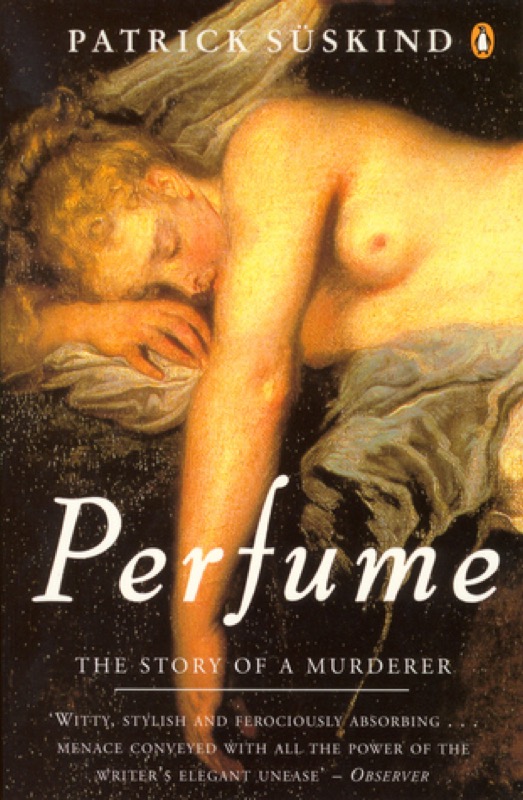
Perfume: The Story of a Murderer
Hook & thesis
In Perfume: The Story of a Murderer, Patrick Süskind explores the haunting interplay between obsession and the quest for identity, weaving a tale that lingers like an elusive fragrance. Verdict: This novel is a masterclass in the grotesque beauty of desire, ultimately illuminating the darkest corners of the human psyche.
The contextual pivot
Süskind’s work stands as a cornerstone in the gothic horror romance genre, intertwining elements of psychological thriller and historical narrative. Unlike many contemporaries who shy away from the grotesque, Süskind embraces it, pushing boundaries of comfort and morality. This book resonates with fans of gothic authors like Edgar Allan Poe and modern psychological narrators like Donna Tartt, while simultaneously engaging a broader audience unaccustomed to such visceral explorations. Through its unique lens, Perfume transcends niche appeal, inviting readers who might typically avoid dark themes to confront their own desires and fears.
Deep-dive critique
The novel’s structure is meticulously crafted, with a pacing that oscillates between languid and frenetic, mirroring the protagonist Grenouille’s own tumultuous journey. Süskind employs a third-person limited point of view, allowing readers glimpses into Grenouille’s warped mind while maintaining a critical distance. This choice effectively heightens the tension; we are compelled to inhabit his world yet remain horrified by his actions. The prose is lush, filled with vivid sensory details that evoke both beauty and repulsion, effectively drawing readers into Grenouille’s olfactory obsession.
The thematic exploration of alienation and the quest for love—or its perverse counterpart, ownership—shines throughout the narrative. Süskind’s portrayal of Grenouille as a creature of absence, devoid of personal scent and thus personal connection, underscores the existential void that drives him to murder. The grotesque acts of violence are not gratuitous but serve as a chilling commentary on the lengths one will go to attain what is perceived as unattainable.
However, the novel is not without its mechanical flaws. At times, the prose can become overly ornate, risking alienation of readers who may prefer a more straightforward narrative. While the eerie atmosphere is crafted with precision, certain character developments feel rushed, leaving us with questions about their motivations and implications. The ending, though thematically resonant, may leave some feeling unsatisfied, as it straddles the line between poetic resolution and unsettling ambiguity, challenging the reader’s desire for closure.
Discussion launchpad
Süskind’s exploration of desire and identity presents rich grounds for debate, particularly around the morality of Grenouille’s actions and the nature of obsession.
Questions for the room:
- How does Süskind’s use of sensory detail enhance or detract from the horror elements of the narrative?
- In what ways does Grenouille’s character challenge our understanding of empathy and monstrosity?
- What is the significance of scent as a motif in the novel, and how does it relate to the themes of connection and alienation?
- Does the ending serve the narrative’s exploration of desire, or does it undermine the tension built throughout the novel?
#TheOrchidRoom #gothic #horrorromance #psychological #obsession