
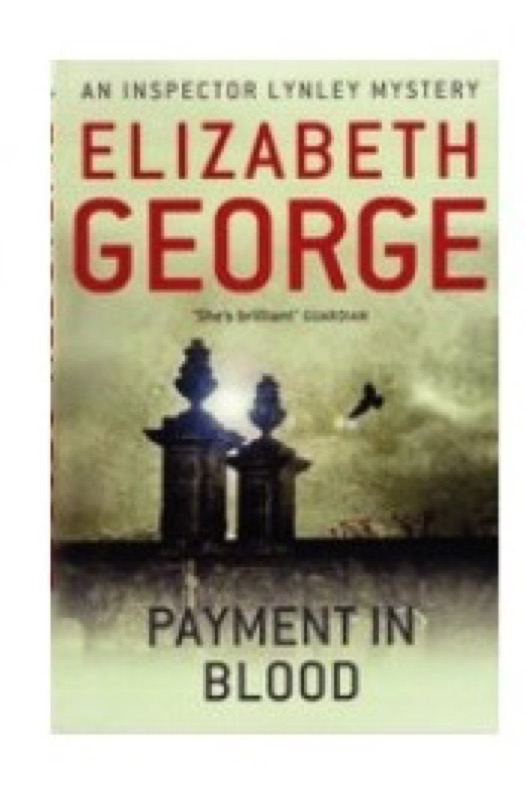
Payment in Blood
An Inspector Lynley Mystery
Hook & thesis
In Payment in Blood, Elizabeth George crafts a tantalizing dark-thriller that delves into the intricate webs of human relationships and the darker impulses that lie beneath them. Verdict: This book expertly explores the tension between personal desires and moral obligations, making it a compelling read that resonates on multiple levels.
The contextual pivot
As the second installment in the Inspector Lynley Mystery series, Payment in Blood sits comfortably within the realm of dark-thriller literature, where psychological complexity often takes precedence over mere plot mechanics. George’s style invites comparison to contemporaries like P.D. James and Ruth Rendell, both of whom also balance character-driven narratives with intricate mysteries. The book speaks to an audience that appreciates layered storytelling, bridging niche tropes of psychological suspense with broader appeal through its exploration of human frailty and moral ambiguity.
Deep-dive critique
George’s skillful use of a dual narrative perspective enhances the thematic depth of the novel. The alternating points of view between Inspector Lynley and the various suspects not only creates a multi-dimensional portrayal of events but also allows readers to engage with the psychological makeup of each character. This structure maintains a brisk pacing, weaving together various threads without losing sight of the central conflict. However, this complexity sometimes leads to a convoluted plot that may challenge readers seeking straightforward resolution.
The prose is rich and evocative, filled with vivid imagery that brings both setting and character to life. George’s attention to detail in world-building is particularly commendable; the atmospheric descriptions of the English countryside serve as a backdrop that reflects the characters’ inner turmoil. Yet, moments of dialogue can falter, feeling overly expository at times, which detracts from the suspense-building efforts. The thematic exploration of violence and its repercussions is astutely handled, though the resolution may leave some readers yearning for a more definitive closure — an artistic choice that aligns with the novel’s exploration of ambiguity.
Discussion launchpad
The interplay of personal morality against a backdrop of societal expectations creates rich ground for debate.
Questions for the room:
- How does George’s portrayal of moral ambiguity compare to other authors in the genre?
- Do you find the dual narrative perspective effective or distracting?
- In what ways does the setting enhance or detract from the overall tension of the story?
- Is the unresolved ending a strength or a weakness in the context of the themes explored?
- How does the book’s treatment of violence influence your perception of the characters’ motivations?
#LiteraryAnalysis #darkthriller #romanticsuspense #mystery #detective