
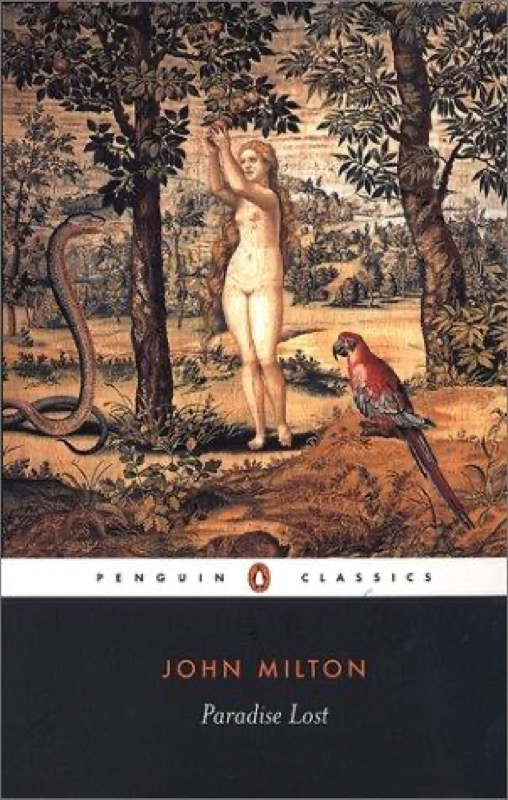
Paradise Lost
A profound exploration of sin and redemption.
Hook & thesis
In Paradise Lost, John Milton embarks on a monumental quest to explore the nature of free will, sin, and redemption through the tragic fall of humanity. Verdict: This epic poem transcends its religious framing, delivering a timeless reflection on the human condition that remains profoundly relevant.
The contextual pivot
As a cornerstone of epic poetry, Paradise Lost occupies a unique position between classical mythology and Christian theology, echoing the works of Virgil and Dante while establishing its distinct voice. Milton’s intricate portrayal of Satan as a complex anti-hero invites comparisons to modern interpretations of villainy, effectively bridging the gap between niche theological discourse and broader literary audiences. The poem serves not only as a religious allegory but as a meditation on the human struggle against despair and the quest for autonomy, making it accessible to both devout readers and secular scholars alike.
Deep-dive critique
Milton’s masterful use of blank verse allows for a rich and varied exploration of themes, while the poem’s structure—divided into twelve books—creates a pacing that balances grandiosity with moments of intimate reflection. The shifts in point of view, particularly the oscillation between divine omniscience and human vulnerability, serve to highlight the tragic consequences of free will, whereby Adam and Eve’s choices lead to their downfall.
Characterization is both a strength and a challenge; while Milton’s Satan embodies charisma and defiance, arguably overshadowing the more passive Adam and Eve, this portrayal raises questions about the nature of evil and virtue. Dialogue, particularly in the exchanges between characters, is both elevated and dense, requiring close reading to unpack its theological implications. The ending, which centers on hope and the promise of redemption, feels both earned and contentious, leaving readers grappling with the tension between despair and salvation.
Discussion launchpad
Milton’s Paradise Lost invites polarizing interpretations that can spark lively debate, particularly around the portrayal of free will versus predestination and the moral implications of character choices.
Questions for the room:
- Is Milton’s depiction of Satan as a sympathetic figure a subversion of traditional religious narratives?
- How does the poem’s treatment of gender roles reflect or challenge contemporary views?
- In what ways does the poem’s structure enhance or detract from its thematic messages?
- Can we reconcile the portrayal of divine justice with the suffering experienced by humanity?
- How does the notion of redemption play out against the backdrop of personal agency?
#CollegeLit #FreshmanYear #Canon #epicpoetry #theology