
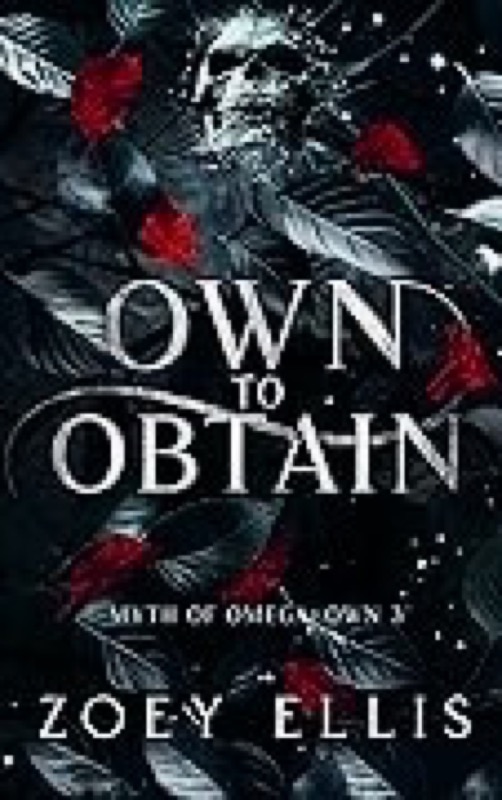
Own to Obtain
Myth of Omega: Own 3
Hook & thesis
In “Own to Obtain,” Zoey Ellis deftly navigates the treacherous waters of captor-and-captive dynamics, peeling back the layers of power, obsession, and the search for agency within a darkly romantic framework. Verdict: The book challenges our conceptions of consent and power, delivering a haunting exploration of desire that lingers long after the final page.
The contextual pivot
Positioned firmly within the omegaverse genre, this work embraces familiar tropes while simultaneously pushing boundaries, inviting readers to grapple with complex themes of dominance and submission. Ellis, known for her ability to weave intricate character dynamics, finds her footing here by combining psychological depth with the visceral allure of captivity. The narrative caters not only to dedicated fans of dark romance but also to a broader audience willing to explore the uncomfortable intersections of human relationships, making it a pivotal entry in contemporary romantic literature.
Deep-dive critique
Ellis’s narrative structure employs a dual perspective that enhances the tension between captor and captive, offering readers a voyeuristic glimpse into both characters’ psyches. The pacing oscillates between moments of intense conflict and reflective pauses, crafting a rhythmic push-and-pull that mirrors the characters’ tumultuous relationship. The prose is laden with rich, evocative imagery that pulls the reader into the emotional and physical landscapes of obsession; lines dripped in dual meaning create an atmosphere thick with unspoken desires.
However, while the characterization of the captor is compelling, the captive’s arc occasionally falters under the weight of the narrative’s darker elements—her agency sometimes feels stifled by the very framework designed to explore it. The dialogue, while sharp and revealing, sometimes veers into melodrama, which can pull the reader out of the otherwise immersive experience. The climax, while charged with tension, leaves some thematic threads unresolved, particularly regarding the implications of power dynamics in relationships, which could polarize readers.
Discussion launchpad
Ellis’s work raises critical questions about agency and desire, intertwining them in ways that can ignite intense debate among readers. The discomforting nature of the narrative may provoke differing reactions, especially regarding the portrayal of consent and power imbalance.
Questions for the room:
- Is the portrayal of power imbalance a necessary component of exploring desire in dark romance, or does it risk glorifying unhealthy relationships?
- How does Ellis’s use of dual perspectives shape our understanding of consent within the narrative?
- In what ways does the ending challenge or reinforce traditional tropes associated with captor-and-captive dynamics?
- Do the content warnings enhance or detract from the narrative experience, and how do they affect reader engagement?
- How do we reconcile our emotional responses to the characters with the ethical implications of their actions?
#TheOrchidRoom #captorandcaptivedynamics #darkromance #omegaverse #ZoeyEllis